
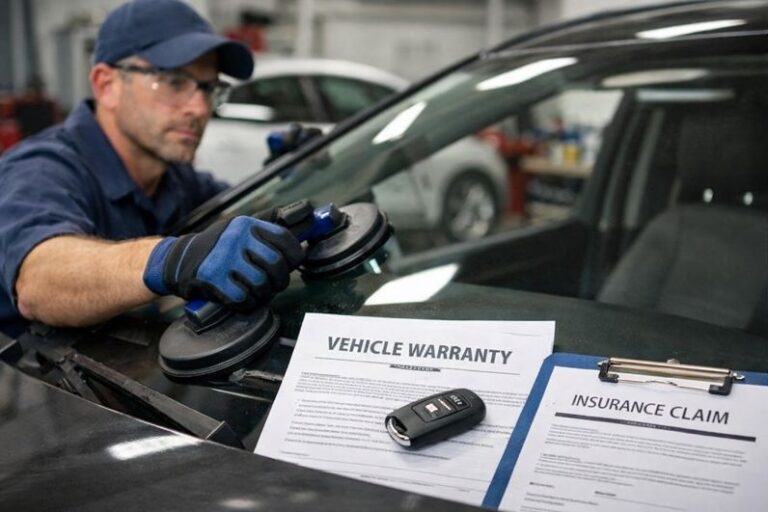
Windshield replacement and vehicle warranty concerns are common among car owners who want to protect their investment while keeping their vehicle safe and roadworthy. A cracked or damaged windshield often needs immediate attention, but many drivers hesitate, worrying that replacing it could void their factory or extended warranty. Understanding how warranties work, what manufacturers allow, and how replacement choices affect coverage can help you make a confident, informed decision.
Windshield Replacement and Manufacturer Warranties
Most vehicle warranties are designed to protect against defects in materials or workmanship, not damage caused by outside factors. A windshield replacement, when done correctly, does not automatically void your vehicle warranty.
Federal law in many regions, including the United States, protects consumers from having their entire warranty canceled simply because aftermarket parts or independent repair shops were used. Manufacturers must prove that a specific repair caused damage before denying coverage.
That distinction is critical. A properly performed windshield replacement using quality materials typically has no impact on unrelated warranty coverage such as the engine, transmission, or electrical systems.
What Warranties Usually Cover
Vehicle warranties often include several layers of coverage, each with different rules:
- Bumper-to-bumper warranties that cover most components for a limited time
- Powertrain warranties focused on engine and drivetrain parts
- Corrosion or rust-through warranties
- Separate warranties for parts installed during repairs
A windshield replacement generally falls outside these categories unless the glass or installation directly affects another covered component.
Situations Where Windshield Replacement Could Affect Warranty Coverage
While replacing a windshield does not void a warranty outright, certain situations can create problems if not handled properly.
Improper Installation
Poor workmanship is one of the main reasons warranty disputes arise. If the windshield is installed incorrectly, it can lead to issues such as:
- Water leaks that damage interior electronics
- Wind noise caused by improper sealing
- Structural weakness in a collision
- Malfunctioning sensors or cameras
If a manufacturer can show that these issues were caused by an improper windshield replacement, they may deny warranty claims related to those specific problems.
Damage to Advanced Driver Assistance Systems
Many modern vehicles rely on advanced driver assistance systems, often referred to as ADAS. These systems may include:
- Lane departure warning
- Forward collision alert
- Automatic emergency braking
- Rain-sensing wipers
- Heads-up displays
Windshields often house cameras and sensors for these systems. If they are not recalibrated correctly after replacement, the vehicle may experience system errors. Warranty claims related to ADAS may be denied if recalibration was skipped or done incorrectly.
OEM vs Aftermarket Glass and Warranty Concerns
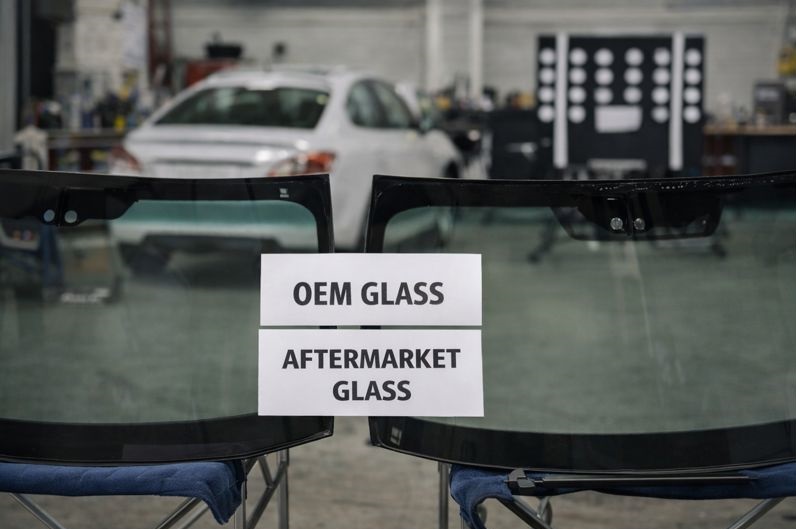
One of the most common questions drivers ask is whether using aftermarket glass instead of OEM glass affects the vehicle warranty.
OEM Glass and Warranty Peace of Mind
OEM windshield glass is made to the same specifications as the original glass installed at the factory. Benefits often include:
- Exact fit and thickness
- Compatibility with built-in sensors
- Manufacturer branding that matches the original
- Fewer concerns during warranty inspections
Using OEM glass can simplify warranty discussions, especially for newer vehicles still under factory coverage.
Aftermarket Windshield Glass and Legal Protections
High-quality aftermarket windshield glass is widely used and legal. In most cases, it does not void your warranty. However, quality can vary between manufacturers.
To minimize risk:
- Choose aftermarket glass that meets DOT and safety standards
- Work with a reputable auto glass shop
- Confirm compatibility with ADAS features
- Keep all documentation and receipts
If a warranty issue arises, the burden is typically on the vehicle manufacturer to prove the aftermarket glass caused the problem.
Extended Warranties and Windshield Replacement
Extended warranties often have stricter terms than factory warranties. These contracts are written by third-party providers and can vary significantly.
Reviewing Your Extended Warranty Terms
Some extended warranty agreements include language that limits coverage if non-approved parts or repair methods are used. Before scheduling a windshield replacement:
- Review the fine print of your contract
- Look for exclusions related to glass or body repairs
- Check whether OEM glass is required
- Confirm if calibration services are covered
Failing to follow the contract requirements could lead to denied claims later, even if the replacement itself was done correctly.
Communicating With the Warranty Provider
Contacting your warranty provider before replacing the windshield can prevent misunderstandings. Ask about approved repair shops, glass requirements, and calibration standards. Documenting this communication can be valuable if a dispute arises.
Insurance Claims and Warranty Implications
Many windshield replacements are covered under comprehensive auto insurance. Insurance involvement does not automatically affect your warranty, but there are details worth understanding.
Choosing an Insurance-Approved Glass Shop
Insurance companies often recommend or partner with specific auto glass shops. These shops typically follow industry standards, which can reduce warranty risks.
However, you usually have the right to choose your own repair facility. When selecting a shop outside the insurer’s network:
- Verify technician certifications
- Ask about OEM or equivalent glass options
- Confirm ADAS recalibration services are included
A well-documented insurance claim combined with professional installation helps protect both your vehicle and warranty coverage.
Glass Warranties vs Vehicle Warranties
Auto glass shops often provide their own warranties covering workmanship, leaks, or defects. These warranties are separate from your vehicle warranty and can provide added reassurance if issues arise after installation.
ADAS Calibration and Warranty Protection
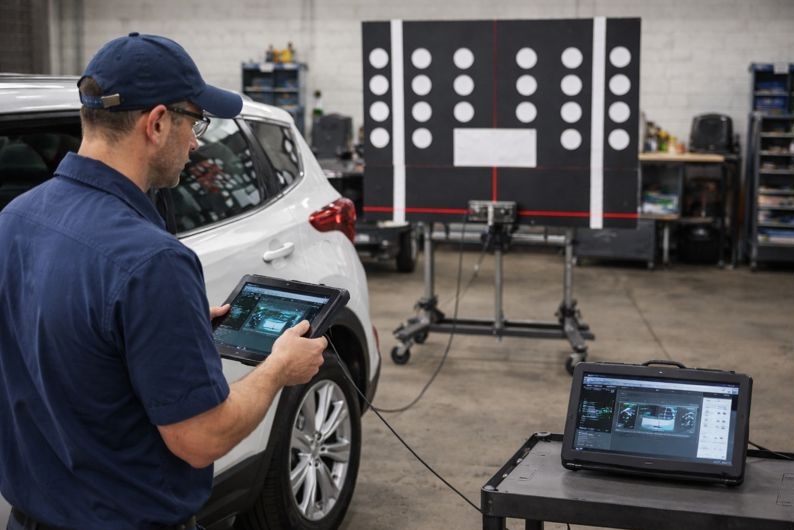
ADAS calibration is one of the most important factors linking windshield replacement and warranty coverage.
Why Calibration Matters
Even minor misalignment of cameras or sensors can affect how safety systems respond. Incorrect calibration may result in:
- Warning lights on the dashboard
- False alerts or missed hazards
- Reduced effectiveness of collision avoidance features
Manufacturers may deny warranty claims for ADAS failures if calibration was not performed according to specifications.
Types of Calibration
Depending on the vehicle, calibration may be:
- Static, performed in a controlled environment
- Dynamic, requiring driving at specific speeds and conditions
- A combination of both
Ensuring the correct calibration method is used is essential for both safety and warranty protection.
Documentation That Protects Your Warranty
Paperwork can make a significant difference if warranty questions arise later.
Records to Keep After Windshield Replacement
Always retain:
- Itemized invoices showing parts used
- Proof of OEM or certified aftermarket glass
- Calibration reports for ADAS systems
- Warranty information from the glass installer
These documents help demonstrate that the windshield replacement met industry and manufacturer standards.
Digital Records and Service History
Many modern vehicles track service history digitally. Ask your glass installer if calibration or replacement data can be recorded in the vehicle system. This added transparency can help during warranty evaluations.
Common Myths About Windshield Replacement and Warranties
Misunderstandings about windshield replacement and vehicle warranty coverage often cause unnecessary delays.
Myth: Any Windshield Replacement Voids the Warranty
This is false. A windshield replacement alone does not void a vehicle warranty. Only damage directly caused by improper installation or incompatible parts can affect coverage.
Myth: Only Dealerships Can Replace Windshields Safely
Independent auto glass shops often specialize in windshield replacement and calibration. Many have advanced equipment and trained technicians equal to or better than dealership service departments.
Myth: Aftermarket Glass Is Always Lower Quality
Quality varies by manufacturer. Certified aftermarket glass can meet or exceed safety standards when installed correctly.
Choosing the Right Auto Glass Shop
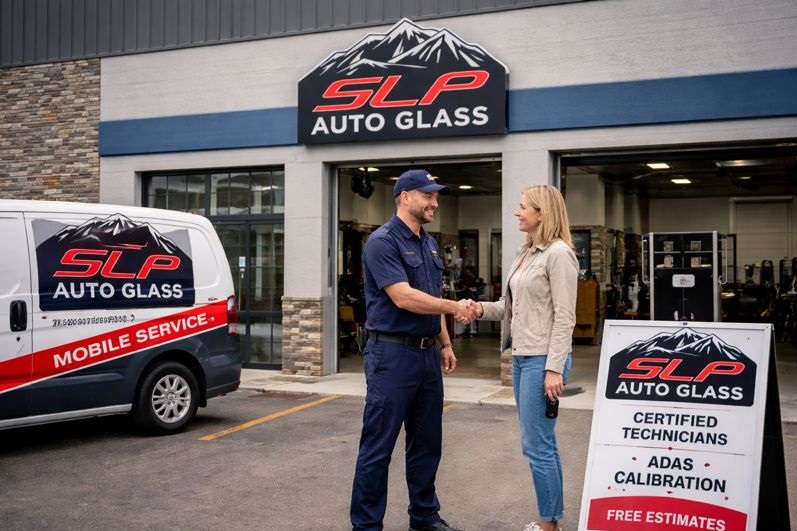
Selecting the right professional is one of the best ways to protect your vehicle warranty.
What to Look For in a Glass Replacement Provider
A reputable shop should offer:
- Certified and trained technicians
- Experience with your vehicle make and model
- OEM and high-quality aftermarket options
- ADAS recalibration services
- Written workmanship warranties
Asking detailed questions upfront can prevent problems later.
Questions Worth Asking Before Scheduling
Consider asking:
- Do you use OEM or OEM-equivalent glass
- Will ADAS recalibration be performed and documented
- What warranty do you offer on the installation
- Have you worked on this vehicle model before
Clear answers signal professionalism and reduce warranty risks.
Legal Protections for Vehicle Owners
Consumer protection laws exist to prevent unfair warranty practices.
Manufacturers cannot legally void an entire vehicle warranty solely because aftermarket parts or independent repairs were used. They must demonstrate a direct link between the repair and the failure being claimed.
Understanding these rights can help you push back if a warranty claim is unfairly denied after a windshield replacement.
Windshield replacement does not have to be a source of stress or uncertainty. When performed by a qualified professional using compatible materials and proper calibration procedures, it rarely affects vehicle warranty coverage. Being informed, choosing reputable service providers, and keeping detailed records ensures that your safety, vehicle value, and warranty protection remain intact.
Content reviewed and published by SLP AutoGlass Editorial Team.