
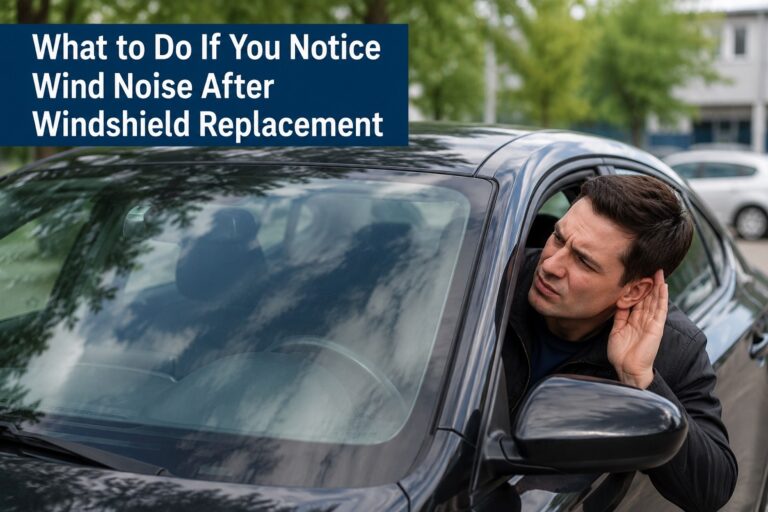
Wind noise after windshield replacement can be frustrating, especially when you expect your vehicle to be as quiet and comfortable as it was before the installation. If you notice a whistling, humming, or rushing air sound coming from around your windshield after a replacement, it may indicate that something needs attention. Identifying the cause early can help prevent additional issues and ensure your new windshield performs properly.
A properly installed windshield should create a secure seal against the vehicle frame, keeping out air, water, and outside noise. When unusual sounds appear after installation, there are several steps you can take to determine the source and find an effective solution.
Pay Attention to When the Wind Noise Occurs

The first step is to observe exactly when the wind noise becomes noticeable. Different situations can provide clues about the underlying cause.
Consider the following:
- Does the noise start at a specific speed?
- Is it louder on highways than on local roads?
- Does it occur only when driving into strong winds?
- Is the sound coming from one side of the windshield?
- Does the noise change when turning or changing lanes?
Making note of these details can help an auto glass technician diagnose the issue more efficiently.
Inspect the Windshield’s Exterior Appearance
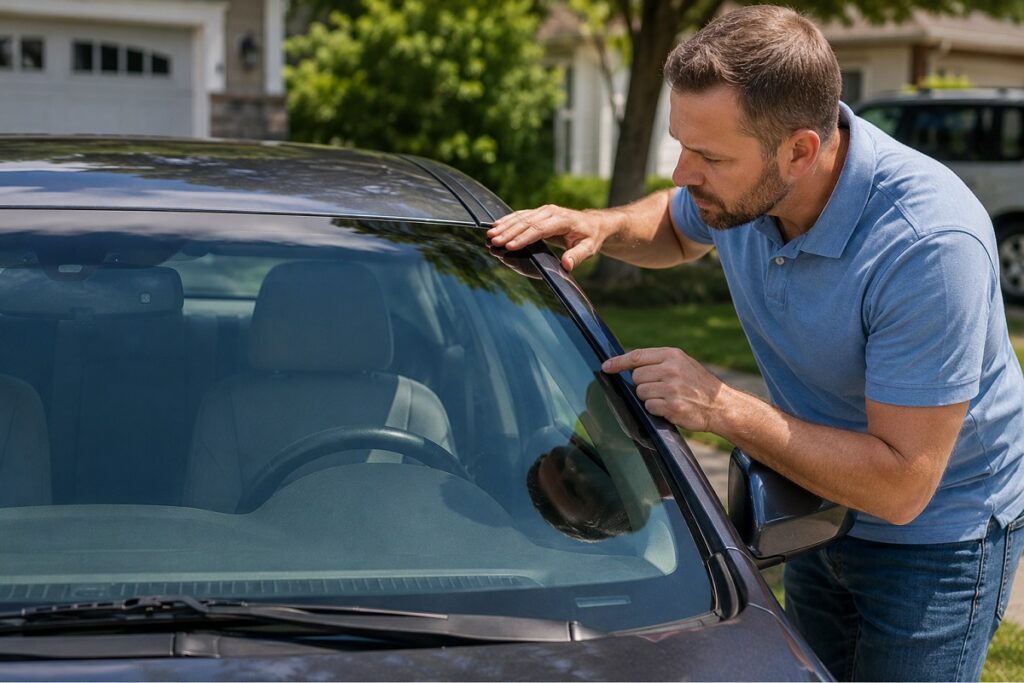
A visual inspection can sometimes reveal signs that contribute to wind noise after windshield replacement.
Walk around the vehicle and look for:
- Uneven gaps between the windshield and vehicle frame
- Areas where the molding appears loose
- Trim pieces that are not sitting flush
- Sections where weatherstripping appears lifted
- Visible separation along the windshield edge
While some issues may not be visible to the untrained eye, obvious irregularities can indicate where air may be entering.
Check the Windshield Molding
Windshield molding plays an important role in directing airflow around the glass. If molding becomes loose, damaged, or improperly installed during the windshield replacement process, it can create turbulence that produces noticeable wind noise.
Even a small section of loose molding can generate whistling sounds at highway speeds.
Test for Air Leaks
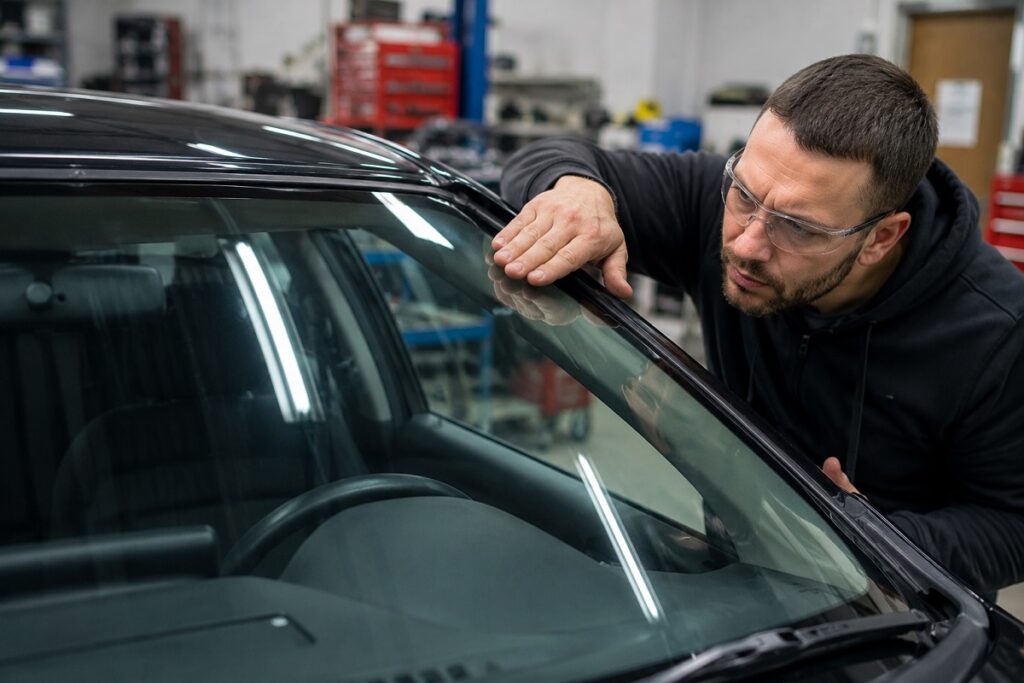
Air leaks are one of the most common reasons drivers notice wind noise after windshield replacement.
A simple way to identify potential leaks is to drive at the speed where the noise is most noticeable and carefully determine the location of the sound. Some vehicle owners also notice slight drafts near the windshield when air is entering through a small gap.
If you suspect an air leak, scheduling an inspection with a professional auto glass company is the safest option. Specialized testing methods can help pinpoint areas where the windshield seal may not be fully secure.
Consider Whether the Adhesive Has Fully Cured
Modern windshield installations rely on high-quality urethane adhesive to bond the glass to the vehicle.
During the curing process, the adhesive develops its full strength and sealing capabilities. If a vehicle is driven before the recommended safe drive-away time has passed, the seal may not form as intended.
Factors that influence curing include:
- Temperature
- Humidity
- Type of urethane adhesive used
- Vehicle manufacturer requirements
If wind noise develops shortly after installation, discussing curing conditions with the installer may help determine whether the issue is related to seal formation.
Examine Nearby Components
Sometimes the windshield itself is not the source of the noise.
Several nearby vehicle components can create sounds that seem to originate from the windshield area.
Roof Moldings
Roof moldings help manage airflow across the top of the vehicle. If they become loose during windshield replacement or vehicle maintenance, they can generate wind noise that resembles a windshield problem.
A-Pillar Trim
The A-pillars are the structural supports located on both sides of the windshield. Loose trim pieces in these areas can create vibrations and air turbulence while driving.
Cowl Panels
The cowl is located at the base of the windshield near the windshield wipers. Improperly secured panels can contribute to airflow issues and unusual sounds.
A professional inspection can determine whether the noise is actually related to the windshield installation or another nearby component.
Avoid Attempting DIY Repairs
When drivers hear wind noise after windshield replacement, it can be tempting to try quick fixes.
However, applying household sealants, tapes, or aftermarket products around the windshield often creates additional problems.
Potential risks include:
- Trapping moisture around the windshield
- Damaging vehicle paint
- Interfering with professional repairs
- Making future inspections more difficult
- Compromising the windshield’s appearance
Windshield sealing systems are designed to meet precise manufacturer specifications, making professional evaluation the safest choice.
Contact the Auto Glass Company That Performed the Installation
If wind noise develops shortly after windshield replacement, contact the company that completed the work as soon as possible.
Reputable auto glass providers typically want to address installation-related concerns promptly.
When contacting the company, provide details such as:
- When the noise started
- The speeds at which it occurs
- Whether the sound comes from a specific area
- Any observations regarding trim or molding
The more information you provide, the easier it will be for technicians to identify the cause.
Why Prompt Inspection Matters
Addressing wind noise early can help prevent more significant issues.
A small gap that allows air infiltration could potentially allow water intrusion during rain or car washes. Early correction helps ensure the windshield remains properly sealed and functioning as intended.
What a Professional Inspection May Involve
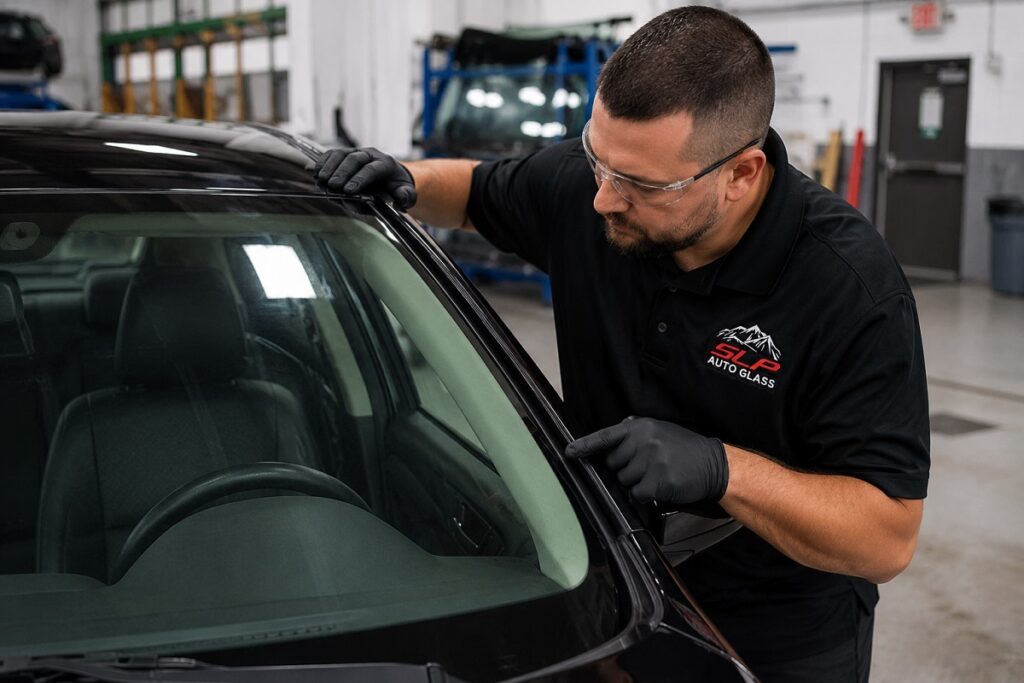
When an auto glass technician evaluates wind noise after windshield replacement, they typically perform a detailed inspection of both the windshield and surrounding components.
The process may include:
- Visual examination of the windshield perimeter
- Inspection of molding and trim pieces
- Evaluation of adhesive bond lines
- Air leak testing
- Verification of proper windshield fitment
- Assessment of nearby exterior components
These diagnostic steps help determine whether the noise is related to installation, vehicle trim, or another source entirely.
Signs the Issue Should Be Addressed Immediately
While any persistent wind noise deserves attention, certain symptoms warrant prompt professional inspection.
Watch for:
- Wind noise that continues to worsen
- Water leaks around the windshield
- Visible gaps near the glass
- Loose exterior molding
- Rattling sounds near the windshield
- Movement of trim pieces while driving
These signs may indicate a sealing or fitment issue that should be corrected as soon as possible.
Choosing a Qualified Auto Glass Professional
If an inspection is needed, work with an experienced auto glass company that follows industry standards and manufacturer procedures.
Look for providers that:
- Use high-quality windshield adhesives
- Employ trained technicians
- Follow proper installation procedures
- Stand behind their workmanship
- Offer post-installation inspections when needed
Professional installation and follow-up support help ensure your windshield remains secure, quiet, and properly sealed.
Wind noise after windshield replacement should never be ignored. Whether the cause is a minor molding issue, an air leak, or a component near the windshield, identifying the source quickly can restore driving comfort and protect the integrity of the installation. If you notice unusual sounds after a windshield replacement, scheduling a professional inspection is the most effective way to ensure your vehicle’s windshield seal and fitment are performing as intended.
Content reviewed and published by SLP AutoGlass Editorial Team.