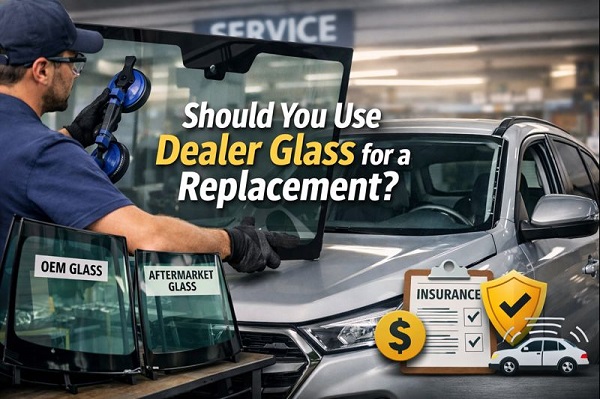
Should you use dealer glass for a replacement is a common question vehicle owners face after windshield or auto glass damage. When safety systems, insurance coverage, cost, and vehicle value are all factors, the choice between dealer glass and aftermarket glass can feel complicated. Understanding how dealer glass fits into the repair process helps you make a confident, informed decision based on your specific vehicle and driving needs.
Understanding Dealer Glass Replacement Options
Dealer glass typically refers to original equipment manufacturer glass supplied through an authorized dealership. This glass is produced by the same manufacturer that supplied the glass when the vehicle was first assembled.
Using dealer glass for a replacement often appeals to drivers who want consistency with factory standards. However, it is not always the only suitable or necessary option, depending on circumstances.
How Dealer Glass Is Sourced
Dealer glass comes directly from OEM-approved suppliers. These suppliers manufacture glass that meets the vehicle maker’s specifications for thickness, curvature, tint, and compatibility with safety features.
Because dealerships work directly with manufacturers, availability can vary based on vehicle make, model, and production year.
Fit, Finish, and Vehicle Compatibility
One of the primary reasons drivers consider dealer glass is fit accuracy. Windshields and windows must align precisely with the vehicle frame to ensure proper sealing and structural integrity.
Dealer glass is designed to match factory dimensions exactly. This can reduce the likelihood of gaps, wind noise, or water leaks when installed correctly.
Compatibility With Advanced Driver Assistance Systems
Modern vehicles often include cameras, sensors, and heads-up displays integrated into the windshield. These systems rely on precise placement and optical clarity.
Dealer glass is manufactured to support these systems without modification. This may simplify calibration and reduce the risk of warning lights or system malfunctions.
Safety Considerations With Dealer Glass
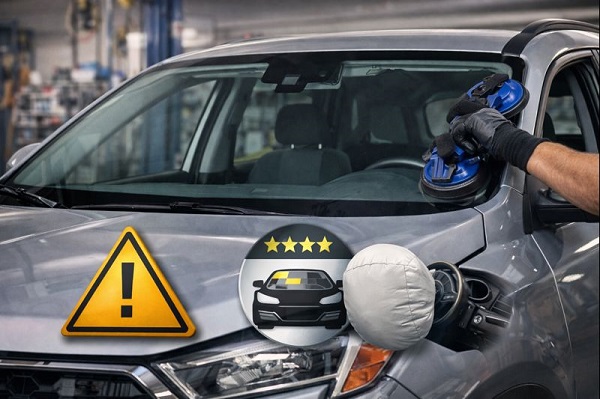
Auto glass plays a critical role in vehicle safety. The windshield supports roof strength during rollovers and helps airbags deploy correctly.
Dealer glass meets manufacturer crash safety standards and is tested alongside the vehicle’s design. For drivers prioritizing maximum alignment with factory safety testing, this can be a deciding factor.
Structural Integrity and Adhesion
Windshields rely on strong bonding to the vehicle frame. Dealer glass is engineered to work with OEM-approved adhesives and installation procedures.
When installed properly, it contributes to the overall crashworthiness of the vehicle, especially in frontal impacts.
Insurance Coverage and Cost Factors
One of the most common concerns about using dealer glass for a replacement is cost. Dealer glass is often more expensive than aftermarket alternatives due to branding, sourcing, and dealership pricing structures.
Insurance policies vary widely when it comes to OEM glass coverage.
Insurance Policy Limitations
Some insurance companies cover dealer glass only under specific conditions. These may include newer vehicles, leased cars, or policies with OEM endorsement coverage.
Before choosing dealer glass, it is important to review your policy details. Out-of-pocket costs can be higher if OEM glass is not fully covered.
When Dealer Glass May Be Worth the Cost
There are situations where the added expense may be justified.
- Vehicles with complex ADAS systems
- Luxury or high-end models
- Leased or financed vehicles with return conditions
- Cars still under factory warranty
In these cases, dealer glass can reduce potential disputes or complications later.
Warranty and Manufacturer Requirements
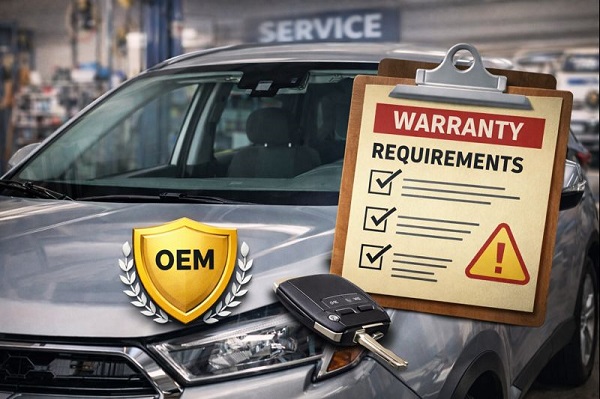
Some vehicle warranties include language related to replacement parts. While most warranties do not require dealer glass exclusively, certain components linked to cameras or sensors may be affected by non-OEM glass.
Using dealer glass can provide peace of mind for owners concerned about warranty compliance or future claims.
Lease and Resale Considerations
Leased vehicles often require repairs to meet original condition standards. Dealer glass can help avoid penalties when returning a leased vehicle.
For resale, especially private sales or certified pre-owned programs, documentation showing OEM glass replacement may increase buyer confidence.
Availability and Repair Timelines
Dealer glass availability can vary depending on the vehicle. Some windshields may need to be ordered, leading to longer wait times compared to aftermarket options that are stocked locally.
This can affect how quickly your vehicle is back on the road.
Factors That Influence Availability
- Vehicle age and production volume
- Specialty glass features
- Manufacturer supply chain delays
If time is critical, discussing availability upfront can help set expectations.
Installation Quality Matters More Than the Glass Source
Regardless of whether you choose dealer glass or aftermarket glass, proper installation is essential. A poorly installed OEM windshield can cause more problems than a correctly installed aftermarket one.
Certified technicians, correct adhesives, and proper curing times all play a major role in long-term performance.
Calibration and Post-Installation Checks
Vehicles with forward-facing cameras often require recalibration after windshield replacement. Dealer glass can streamline this process, but skilled installers can calibrate systems with compatible aftermarket glass as well.
Ensuring recalibration is completed correctly is critical for lane assist, collision avoidance, and adaptive cruise control systems.
Comparing Dealer Glass and Aftermarket Alternatives
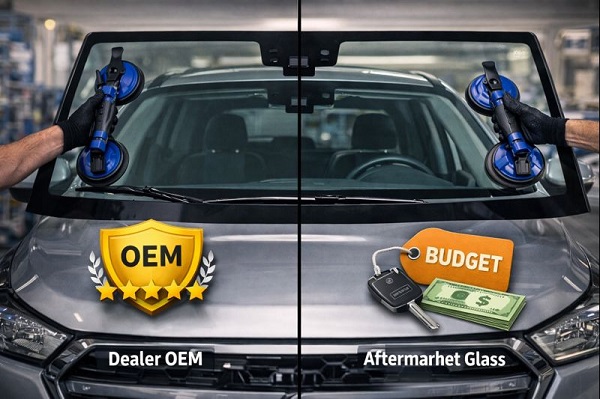
While this article focuses on whether you should use dealer glass for a replacement, understanding how it compares to other options helps clarify the decision.
Dealer glass emphasizes factory matching and manufacturer approval. Aftermarket glass emphasizes cost savings and availability. Both can meet safety standards when properly manufactured and installed.
Situations Where Dealer Glass Makes Sense
Dealer glass may be the right choice if:
- Your vehicle is new or high-value
- ADAS features are highly sensitive
- Insurance covers OEM replacement
- Lease or warranty terms favor OEM parts
Situations Where Dealer Glass May Not Be Necessary
Dealer glass may not be essential if:
- The vehicle is older
- Cost is a primary concern
- Insurance does not cover OEM glass
- A reputable installer offers high-quality alternatives
Long-Term Ownership and Performance
Drivers planning to keep their vehicle long term often weigh durability and performance over initial cost. Dealer glass is designed to match factory specifications, which can support consistent performance over time.
That said, long-term results also depend on driving conditions, climate, and maintenance.
Environmental and Driving Factors
Extreme temperatures, frequent highway driving, and rough road conditions place stress on auto glass. Proper installation and quality materials matter as much as brand origin.
Regular inspections after replacement help catch issues early, regardless of glass type.
Making an Informed Decision
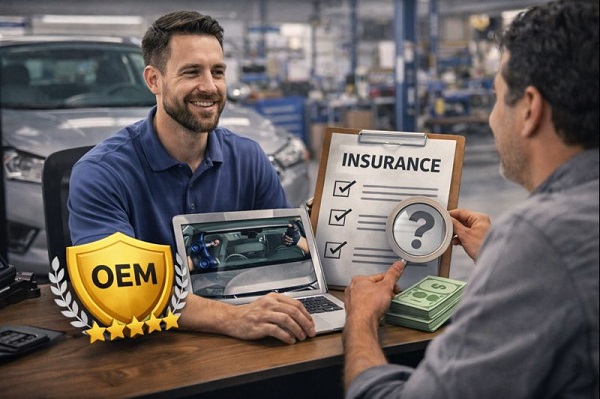
Deciding whether to use dealer glass for a replacement should be based on vehicle requirements, insurance coverage, safety systems, and personal priorities.
Asking the right questions before approving a replacement can prevent surprises.
- Is OEM glass required by my insurance or lease?
- Will my ADAS systems need recalibration?
- What is the total out-of-pocket cost?
- Who is performing the installation?
Clear answers help ensure the replacement meets both safety and budget expectations.
Choosing dealer glass for a replacement is not always necessary, but it can be the right solution in specific situations. For vehicles with advanced technology, strict lease terms, or owners seeking factory-level consistency, dealer glass offers measurable benefits. When paired with skilled installation and proper calibration, it supports safety, functionality, and peace of mind long after the repair is complete.
Content reviewed and published by SLP AutoGlass Editorial Team.