
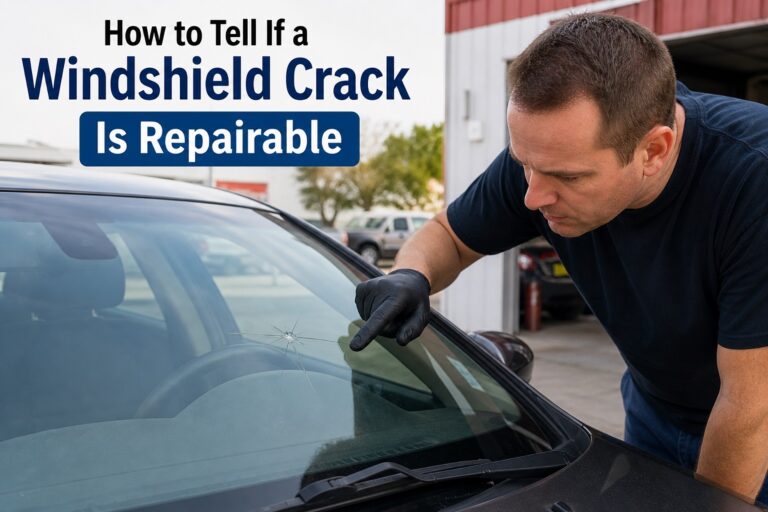
How to tell if a windshield crack is repairable is a common concern for drivers who want to avoid unnecessary replacement costs while maintaining safety and visibility. Not every crack requires a full windshield replacement, and understanding the key signs can help you make a quick and informed decision.
Small damage can often be fixed with professional windshield repair services, but larger or more complex cracks may compromise structural integrity. Knowing what to look for can save time, money, and potential safety risks.
Size of the Crack
When Size Determines Repairability
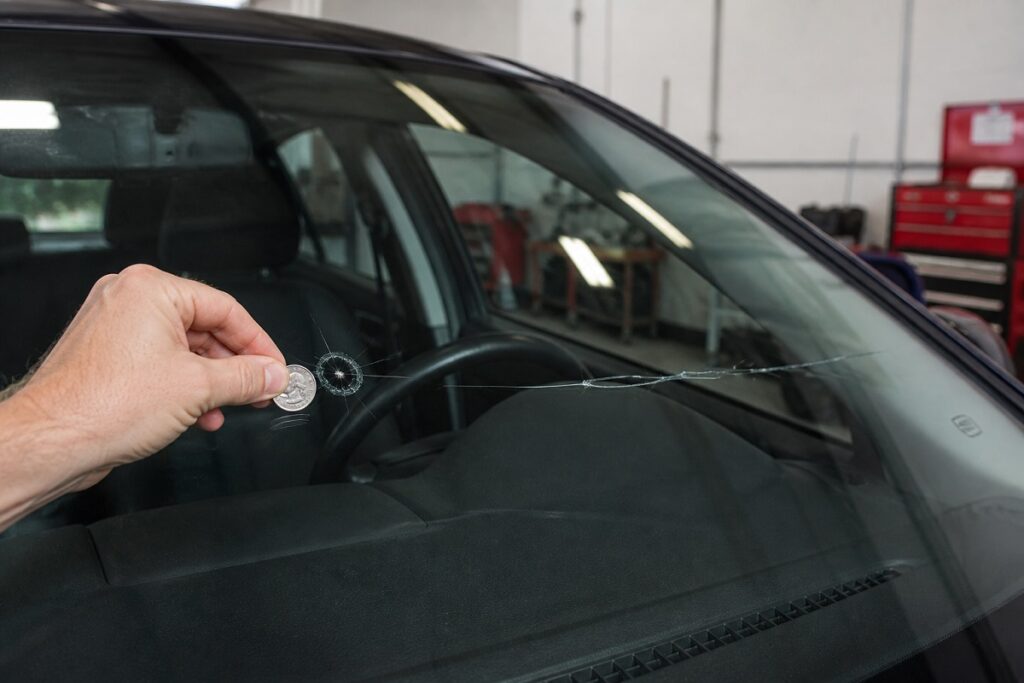
One of the most important factors in determining whether a windshield crack is repairable is its size. In general, smaller cracks are far more likely to be repaired successfully.
Most auto glass technicians follow these guidelines:
- Chips smaller than a quarter are usually repairable
- Cracks under 3 to 6 inches can often be fixed
- Longer cracks typically require full windshield replacement
Even if a crack seems small, its growth potential matters. Temperature changes, road vibrations, and moisture can cause cracks to expand quickly.
Why Size Matters
Smaller cracks are easier to fill and seal completely. The repair resin bonds effectively, restoring strength and preventing further spreading. Larger cracks may not hold the resin properly, which reduces the effectiveness of the repair.
Location of the Damage
Critical Areas Affect Repair Decisions
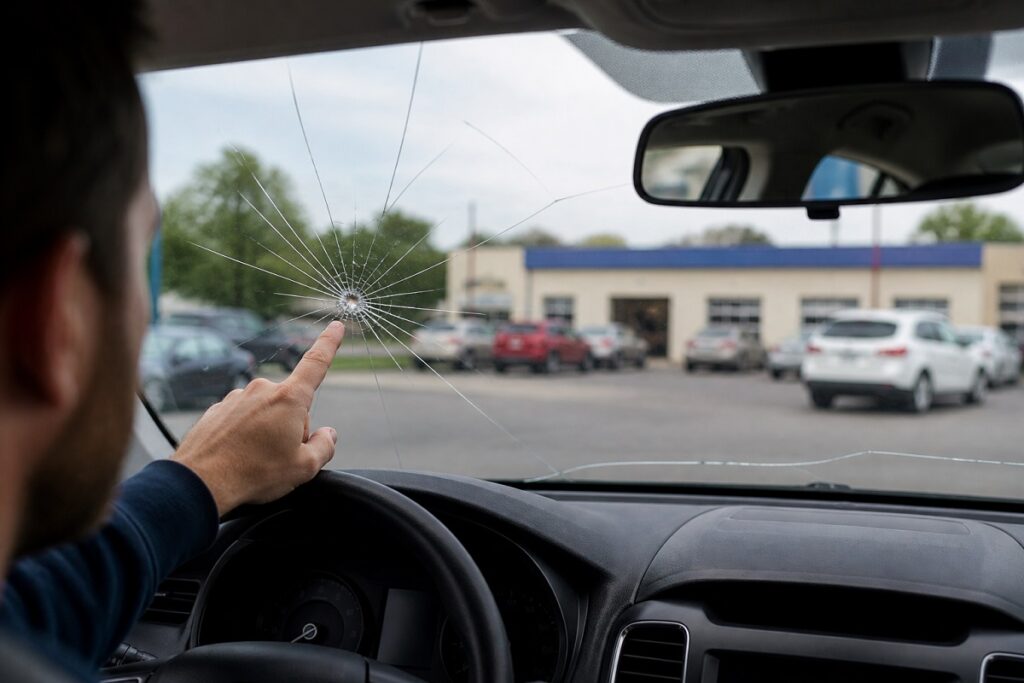
The location of the crack plays a major role in whether it can be repaired. Some areas of the windshield are more sensitive than others.
Key considerations include:
- Cracks directly in the driver’s line of sight often require replacement
- Damage near the edges of the windshield weakens structural support
- Central areas are typically more repair-friendly
Driver Visibility Concerns
Even if a crack is technically repairable, repairs can leave minor distortions. If the damage is in your direct line of sight, this can impact visibility and safety. In these cases, replacement is usually recommended.
Depth of the Crack
Surface vs Deep Damage
Windshields are made of laminated glass with multiple layers. Whether a crack is repairable depends on how deep it penetrates.
- Surface layer cracks are often repairable
- Damage reaching the inner layer usually requires replacement
Signs of Deep Cracks
You may notice:
- A crack visible from both inside and outside the vehicle
- A rough or uneven texture when touched
- Light reflecting differently through the damaged area
Deep cracks compromise the structural integrity of the windshield, making repair ineffective.
Type of Crack
Different Crack Patterns
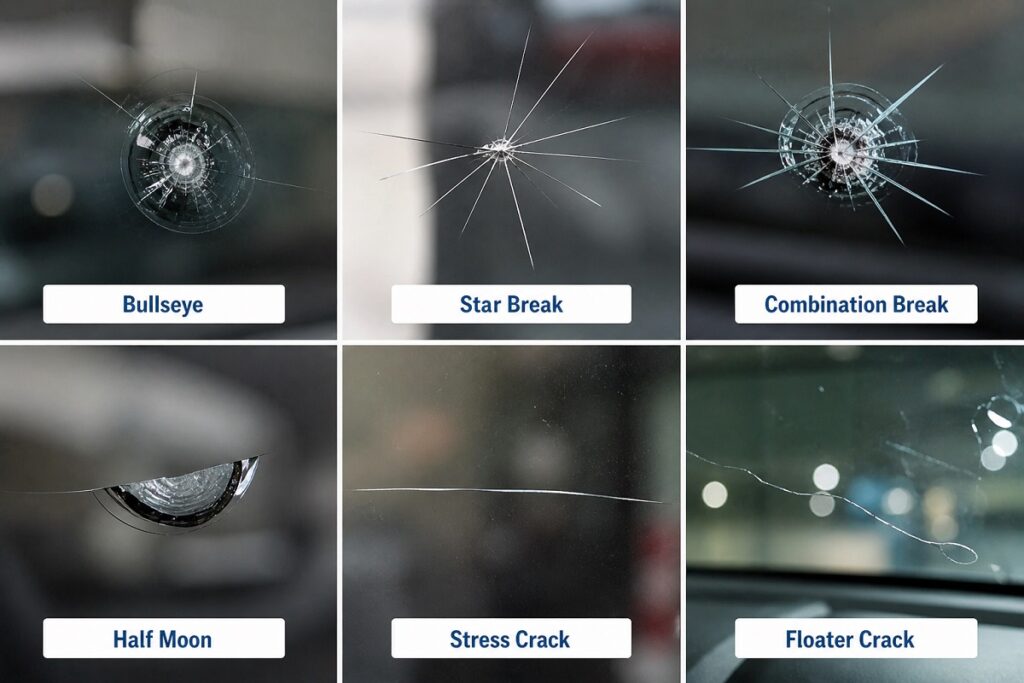
Not all cracks are the same, and the type of damage can determine whether repair is possible.
Common types include:
- Bullseye cracks: circular damage that is often repairable
- Star breaks: cracks radiating outward, usually repairable if small
- Combination breaks: mix of chips and cracks, sometimes repairable
- Long cracks: often require replacement
Complexity Matters
Simple crack patterns are easier to fix because the resin can spread evenly. Complex cracks with multiple branches may trap air or debris, reducing repair success.
Time Since the Damage Occurred
Why Timing Is Important
The sooner you address windshield damage, the higher the chance it can be repaired.
Over time:
- Dirt and moisture enter the crack
- The crack spreads due to temperature changes
- Repair quality decreases
Immediate Action Helps
Prompt repairs prevent further damage and improve the chances of a seamless fix. Waiting too long often turns a simple repair into a full replacement.
Exposure to Environmental Conditions
Weather and Driving Impact
Environmental factors can affect whether a crack remains repairable.
Key influences include:
- Extreme heat causing expansion
- Cold weather leading to contraction
- Rain introducing moisture into the crack
- Road vibrations worsening the damage
Long-Term Exposure Effects
If a crack has been exposed for an extended period, contaminants can prevent the resin from bonding properly. This reduces repair effectiveness and may make replacement necessary.
Number of Cracks or Chips
Multiple Damage Points
A single crack is often repairable, but multiple cracks can complicate the situation.
Consider the following:
- Several chips close together weaken the glass
- Multiple cracks may spread and intersect
- Extensive damage reduces structural strength
When Replacement Is Better
If your windshield has numerous damaged areas, repair may not restore full integrity. In these cases, replacement ensures safety and durability.
Edge Cracks and Structural Integrity
Why Edges Are Critical
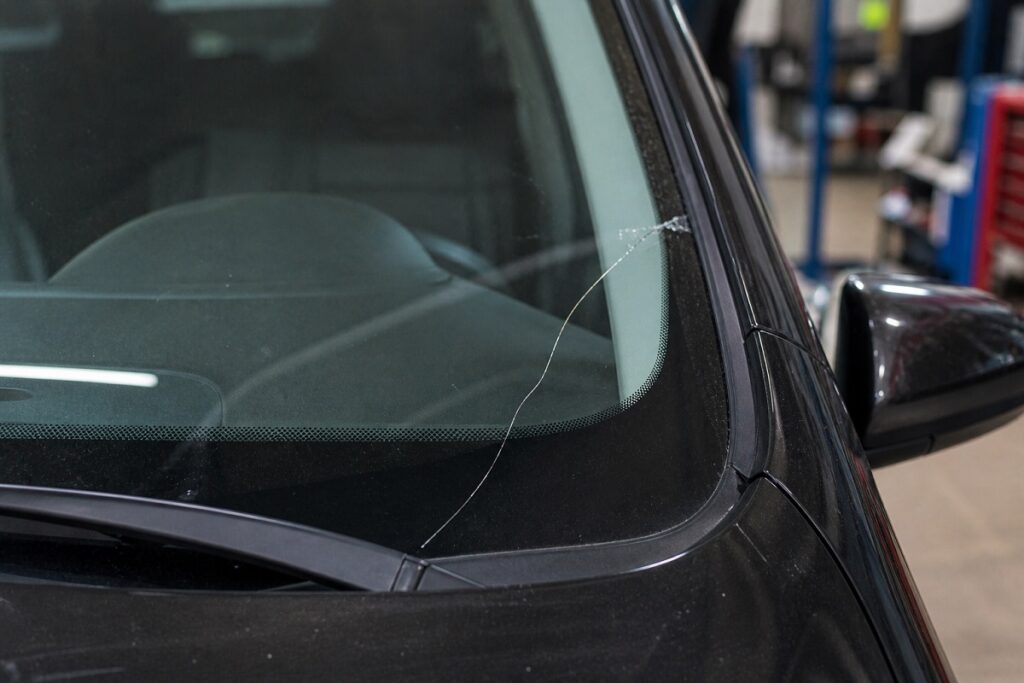
Cracks near the edges of the windshield are more serious than those in the center.
Reasons include:
- Edges support the overall structure of the windshield
- Damage here spreads faster
- Repairs are less effective in these areas
Increased Risk of Failure
Even small edge cracks can compromise the windshield’s ability to withstand pressure. This makes replacement the safer option in most cases.
Visibility and Safety Considerations
Beyond Repairability
Even if a crack meets technical repair criteria, safety should always come first.
Ask yourself:
- Does the crack obstruct your view while driving?
- Does it create glare or distortion?
- Does it distract you while on the road?
Making the Right Choice
If the answer to any of these questions is yes, replacement is often the better option. Clear visibility is essential for safe driving.
Professional Inspection vs DIY Judgment
Why Expert Evaluation Matters
While basic guidelines can help you assess damage, a professional inspection provides the most accurate answer.
Technicians use specialized tools to:
- Measure crack depth and length
- Evaluate structural integrity
- Determine the best repair method
Benefits of Professional Advice
- Accurate diagnosis
- Higher-quality repairs
- Improved safety outcomes
Relying on expert evaluation ensures you make the best decision for your vehicle.
Cost Considerations
Repair vs Replacement Costs
Understanding repairability can also help you save money.
- Repairs are typically faster and less expensive
- Replacement costs more but may be necessary for safety
Insurance Coverage
Many insurance policies cover windshield repair with little or no deductible. Acting early can help you take advantage of these benefits before damage worsens.
When Repair Is the Best Option
Ideal Conditions for Repair
A windshield crack is most likely repairable when:
- It is small and contained
- It is located away from edges and the driver’s view
- It has not spread or deepened
- It is addressed quickly
Under these conditions, repair can restore both appearance and strength effectively.
When Replacement Is Necessary
Signs You Should Replace Instead
Replacement becomes necessary when:
- The crack is long or spreading
- The damage is deep
- The crack is near the edge
- Visibility is affected
Choosing replacement in these cases ensures long-term safety and durability.
Understanding how to tell if a windshield crack is repairable allows you to act quickly and make informed decisions. By evaluating size, location, depth, and timing, you can determine whether repair is a safe and effective option or if replacement is the better choice. Addressing damage early not only saves money but also helps maintain the safety and performance of your vehicle.
Content reviewed and published by SLP AutoGlass Editorial Team.