
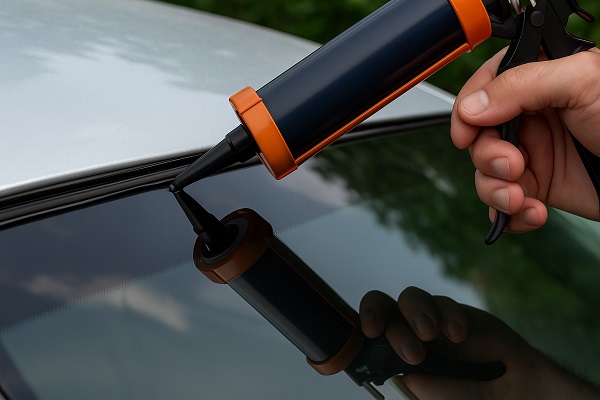
How to deal with a leaking windshield seal is an issue many vehicle owners face at some point. A small leak can quickly turn into bigger problems including interior water damage, mold growth, electrical issues, and reduced windshield stability. Addressing the problem early protects both the car and your safety.
This guide breaks down how to diagnose windshield seal leaks, what steps you can take on your own, when repairs require a professional, and how to prevent leaks from recurring.
Understanding What Causes a Windshield Seal to Leak
A leaking windshield seal usually results from deterioration of the adhesive or rubber molding. Several conditions can accelerate this wear.
Common causes
- Aging or weathered sealant
- Poor installation on a previous windshield replacement
- Impact damage near the glass
- Warped frame or body structure
- Harsh temperature cycles that cause materials to expand and contract
- Debris buildup around the molding
Knowing what led to the leak helps you choose the most effective repair strategy.
Signs Your Windshield Seal Is Leaking
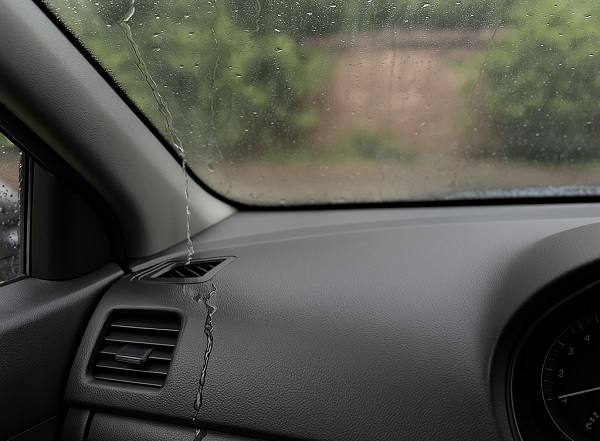
Windshield leaks are not always obvious. Early detection makes repairs easier and prevents expensive interior damage.
Indicators to look for
- Water dripping from the A pillars or dashboard
- Wet floor mats after rain
- Musty odors inside the cabin
- Fogged windows that persist even with ventilation
- Visible gaps or lifting around the windshield trim
- Stains on the headliner
Perform a water test if you suspect a leak. Use a hose on a low setting and spray around the windshield while someone sits inside the vehicle to watch for seepage.
Inspecting the Windshield Seal Before Repair
A careful inspection gives you a clear idea of the leak location and severity.
Steps to inspect
- Clean the windshield perimeter to remove dirt and residue.
- Look for cracks, loose molding, or missing sealant.
- Check if the windshield sits flush with the frame.
- Press lightly around the edges to see if the seal moves.
- Examine the interior trim for moisture or staining.
Short paragraphs during inspection help you stay focused on details that matter. Pay close attention to corners since they often deteriorate first.
Temporary Fixes for a Leaking Windshield Seal
If you need a quick solution before a full repair, temporary measures can help. These are not long term fixes, but they reduce water intrusion until proper resealing or replacement is done.
Short term solutions
- Apply automotive grade silicone sealant to visible gaps.
- Use windshield seal repair tape designed for exterior auto use.
- Dry the affected area thoroughly before applying any product.
- Avoid overapplying sealant since excess material can trap moisture.
These steps are helpful when you cannot get immediate professional service. Monitor the area closely after rain to ensure the temporary repair is holding.
Permanent Ways to Fix a Leaking Windshield Seal
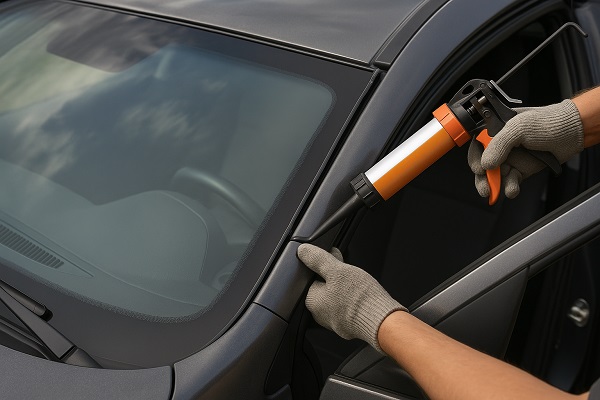
Long lasting repairs require using the right materials and techniques. A strong bond between the windshield and frame prevents future leaks and protects the structural integrity of the vehicle.
Option 1: Resealing the windshield
Resealing is appropriate when the glass is intact and the leak is caused by deteriorated adhesive.
Steps include:
- Removing the outer molding carefully.
- Cleaning the old sealant completely.
- Applying fresh urethane adhesive evenly around the perimeter.
- Reinstalling the trim and allowing proper curing time.
Urethane is the industry standard for windshield adhesion. It holds the glass firmly in place and resists vibration and weathering.
Option 2: Full windshield replacement
If the glass is poorly installed or the frame is damaged, replacement is often the better option.
Replacement is recommended when you see:
- Large gaps between the glass and frame
- Cracked or chipped windshield edges
- Previous installation errors
- Rust forming around the mounting area
A professional installer ensures the windshield is aligned, seated correctly, and sealed to prevent leaks from returning.
When to Seek Professional Help
Although some minor leaks can be managed at home, many situations benefit from expert repair. A windshield contributes to the vehicle’s structural strength, so ensuring proper sealing is essential.
Contact a professional if:
- The leak is severe or spreads across several edges.
- Moisture is affecting the headliner or electronics.
- Rust is visible around the windshield frame.
- The windshield has chips, cracks, or signs of shifting.
- Previous DIY fixes keep failing.
Technicians use specialized tools and adhesives that create a more reliable bond than store bought sealants.
How to Prevent Windshield Seal Leaks in the Future
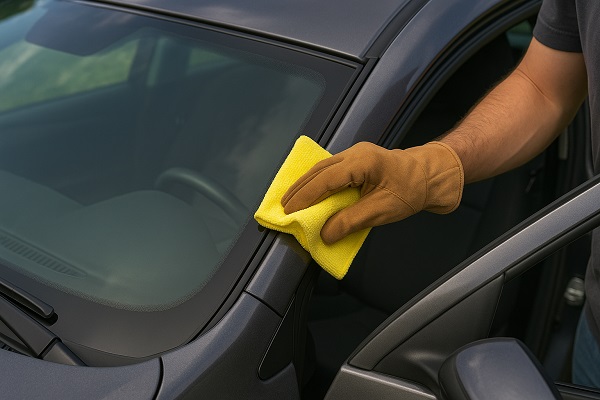
Prevention saves time, money, and frustration. Proper care reduces the likelihood of new leaks forming.
Maintenance tips
- Keep the windshield edges clean to prevent debris from lifting the seal.
- Avoid slamming doors since cabin pressure can stress the seal.
- Park in shaded areas when possible to reduce heat damage.
- Clean any tree sap or bird droppings quickly since they can degrade rubber.
- Address chips or cracks early since they weaken the bond around the seal.
Routine inspection once or twice a year helps you catch early deterioration before water intrusion occurs.
How Weather Conditions Affect Windshield Seal Integrity
Environmental exposure plays a large role in seal performance. Understanding how weather impacts the adhesive helps you better protect your vehicle.
Short heat cycles can cause the molding to contract and lose elasticity. Extreme heat can dry out the rubber and cause it to pull away from the glass. Frequent freezing conditions can widen existing gaps because water expands when frozen.
If you live in an area with intense sun or cold winters, take extra care of the windshield area to avoid premature deterioration.
Why Proper Windshield Sealing Is Essential for Vehicle Safety
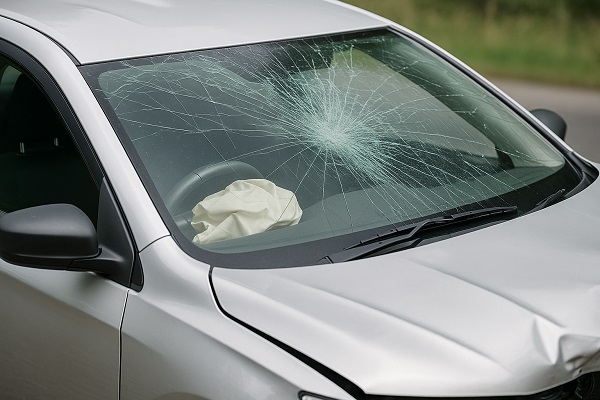
A secure windshield does more than keep rain out. It supports the vehicle structure and protects occupants in a collision.
The windshield helps maintain roof stability during a rollover and serves as a backstop for airbag deployment. A compromised seal weakens this support and may cause the windshield to shift under stress.
Keeping the seal in good condition improves safety, preserves visibility, and maintains the integrity of the cabin.
Wrap Up
Dealing with a leaking windshield seal is essential for preventing interior damage, maintaining vehicle safety, and avoiding costly repairs. A detailed inspection helps you pinpoint the source of the leak, and temporary fixes can buy time until you complete a more permanent repair. For reliable long term results, resealing or professional windshield replacement is often the best option.
By maintaining the area regularly and watching for early signs of deterioration, you can keep your windshield seal strong and reduce the chance of future leaks.
Content reviewed and published by SLP AutoGlass Editorial Team.