
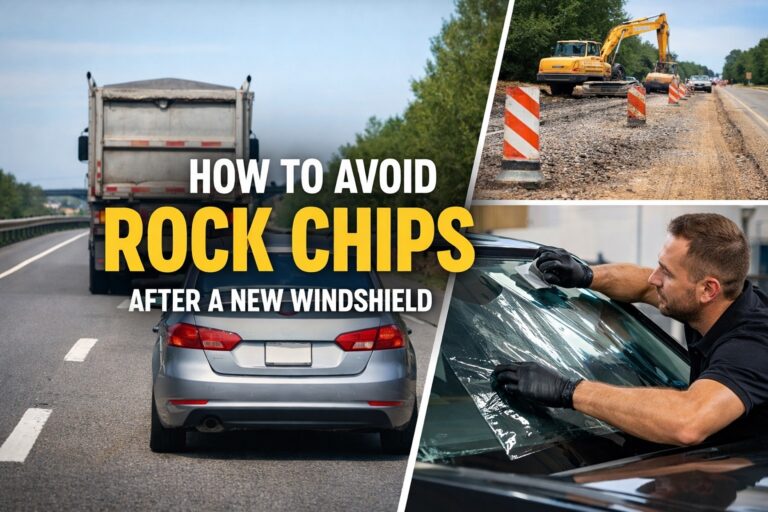
How to avoid rock chips after a new windshield is one of the most common concerns drivers have after investing in auto glass replacement. A new windshield not only improves visibility but also restores structural integrity, so protecting it from damage should be a priority from day one.
Rock chips can happen quickly and often unexpectedly, especially on highways or in areas with loose gravel. The good news is that with the right habits and preventative measures, you can significantly reduce the chances of damage and extend the life of your windshield.
Maintain a Safe Following Distance

One of the most effective ways to prevent rock chips is maintaining a proper following distance from the vehicle ahead. Many chips occur when debris is kicked up by tires, especially from trucks and construction vehicles.
Keeping extra space between you and the car in front gives you more reaction time and reduces exposure to flying rocks.
Best practices for distance:
- Stay at least 3 to 4 seconds behind other vehicles
- Increase distance on highways or at higher speeds
- Avoid tailgating large trucks or gravel haulers
- Switch lanes if you notice debris being kicked up
This simple habit can drastically reduce windshield damage risks.
Be Cautious Around Construction Zones

Construction zones are one of the biggest hazards for new windshields. Loose gravel, uneven pavement, and heavy machinery all contribute to increased rock chip risk.
When driving through these areas, slowing down is essential. Lower speeds reduce the force of any debris that may hit your windshield.
Tips for navigating construction safely:
- Follow posted speed limits carefully
- Watch for loose gravel signs
- Avoid driving close behind work vehicles
- Take alternate routes if possible
Even a small adjustment in speed can make a significant difference in preventing chips.
Choose the Right Driving Conditions
Certain road and weather conditions increase the likelihood of rock chips. Being mindful of when and where you drive can help protect your windshield.
Conditions to be aware of:
- Gravel roads or poorly maintained streets
- Newly paved roads with loose material
- Windy conditions that carry debris
- Winter roads with sand and salt
If possible, avoid these environments, especially in the first few weeks after installing a new windshield when you may be extra cautious.
Avoid Sudden Temperature Changes
Rapid temperature changes can weaken your windshield and make it more susceptible to chips spreading into cracks.
While temperature itself does not cause rock chips, it can worsen the damage once impact occurs.
Prevent temperature stress by:
- Avoiding blasting hot air directly onto a cold windshield
- Parking in shaded or covered areas
- Using gradual defrost settings in winter
- Not pouring hot water on ice
Keeping your windshield at a stable temperature helps maintain its strength and durability.
Apply a Windshield Protection Film
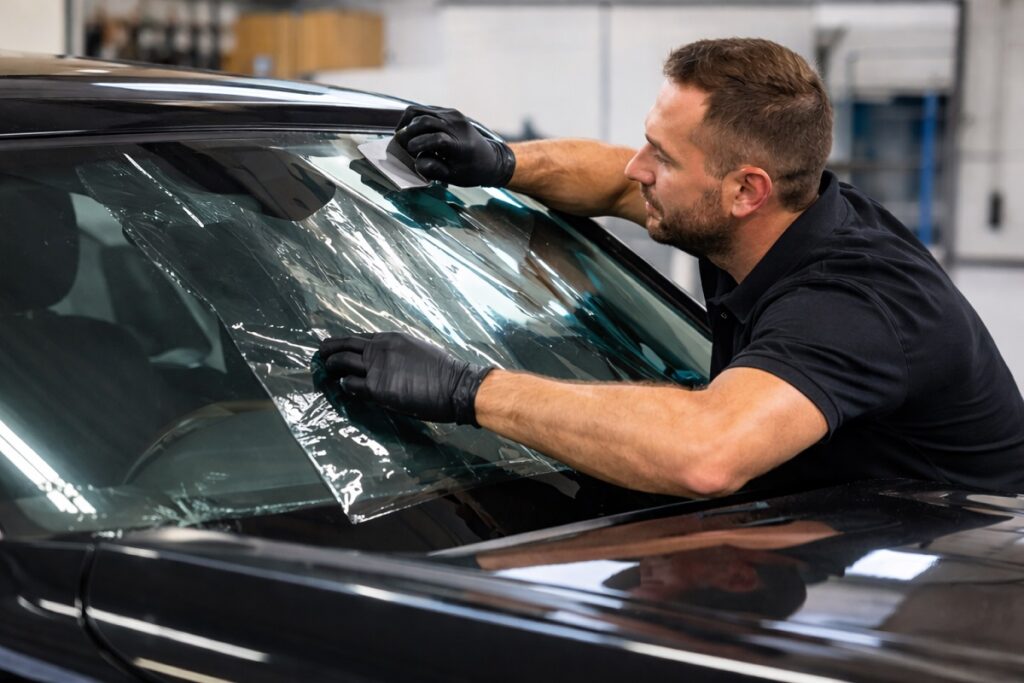
Windshield protection film is an increasingly popular solution for preventing rock chips. This transparent layer acts as a barrier that absorbs impact from debris.
While it does not make your windshield indestructible, it can significantly reduce the severity of damage.
Benefits of protection film:
- Absorbs minor impacts from rocks
- Helps prevent chips from forming
- Maintains optical clarity
- Extends the lifespan of your windshield
This option is especially useful for drivers who frequently travel on highways or in high-risk areas.
Drive Strategically on Highways
Highway driving exposes your windshield to higher speeds and more debris, making it one of the most common places for rock chips.
Being strategic with your driving habits can help minimize risk.
Smart highway driving tips:
- Stay out of lanes with heavy truck traffic
- Pass large vehicles quickly and safely
- Avoid driving directly behind vehicles carrying loads
- Keep your speed moderate when road conditions are poor
Even small adjustments in lane choice can reduce exposure to flying debris.
Keep Your Windshield Clean and Inspected
A clean windshield is easier to monitor for small chips and imperfections. Dirt and grime can hide minor damage, allowing it to worsen over time.
Regular cleaning also helps maintain visibility, making it easier to spot hazards on the road.
Maintenance habits to follow:
- Wash your windshield frequently
- Check for small chips or pits after long drives
- Address minor damage quickly before it spreads
- Use proper glass cleaning products
Catching damage early can prevent a small chip from turning into a costly crack.
Park Smart to Reduce Exposure

Where you park can influence the likelihood of windshield damage. While rock chips usually occur while driving, environmental factors can still pose a risk.
Parking tips:
- Avoid parking near construction areas
- Stay away from gravel lots when possible
- Choose covered or sheltered parking
- Keep distance from areas with heavy vehicle traffic
Reducing exposure when your vehicle is stationary adds another layer of protection.
Be Mindful of Seasonal Risks
Different seasons bring unique challenges that can increase the risk of rock chips.
Seasonal considerations:
- Winter brings sand, salt, and debris on roads
- Spring can include leftover gravel from winter
- Summer construction increases loose materials
- Fall storms may carry debris onto roads
Adjusting your driving habits based on the season can help you stay ahead of potential risks.
Repair Small Chips Immediately
Even with the best precautions, rock chips can still happen. Acting quickly is critical to preventing further damage.
A small chip can spread into a large crack due to temperature changes, vibrations, or additional impacts.
Why immediate repair matters:
- Prevents cracks from forming
- Saves money compared to full replacement
- Maintains windshield strength
- Keeps visibility clear
Many minor chips can be repaired quickly and affordably if addressed early.
Use High-Quality Replacement Glass
Not all windshields are created equal. Choosing high-quality auto glass during replacement can make a difference in durability and resistance to damage.
OEM or premium aftermarket glass tends to offer better strength and clarity compared to lower-quality options.
What to look for:
- Certified safety standards
- Proper installation by professionals
- Warranty coverage
- Compatibility with your vehicle
A strong foundation starts with quality materials and expert installation.
Protecting your windshield after replacement comes down to awareness and consistent habits. By maintaining safe driving practices, avoiding high-risk environments, and addressing minor issues quickly, you can significantly reduce the chances of rock chips and keep your windshield in excellent condition for years to come.
Content reviewed and published by SLP AutoGlass Editorial Team.