
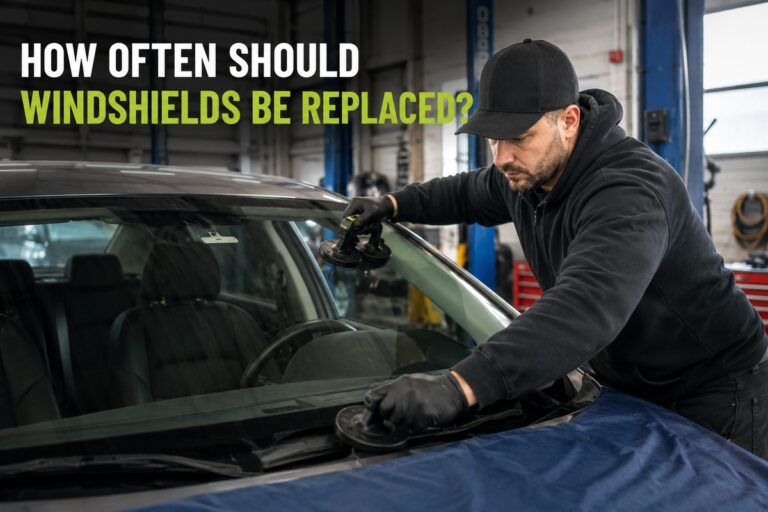
How often should windshields be replaced? There is no fixed replacement schedule that applies to every vehicle. Unlike tires, batteries, or other components that may need replacement after a certain amount of time or mileage, a windshield is generally replaced when its condition affects safety, visibility, or structural integrity.
A well-maintained windshield can remain on a vehicle for many years. However, cracks, chips, repeated impacts, poor visibility, damaged edges, and other forms of deterioration can make windshield replacement necessary sooner. Understanding the signs of windshield damage can help drivers determine when repair is sufficient and when installing new auto glass is the safer option.
Is There a Recommended Windshield Replacement Schedule?
Windshields do not typically need to be replaced every few years simply because of age. If the glass remains clear, securely installed, and free from significant damage, there may be no reason to replace it.
The need for windshield replacement depends more on condition than time. A relatively new windshield can require replacement after a severe impact, while an older windshield may remain serviceable if it has been protected from damage.
Several factors can affect how long a windshield lasts:
- Frequency of driving
- Road and traffic conditions
- Exposure to gravel, debris, and construction zones
- Temperature changes
- Previous windshield repairs
- Location and size of chips or cracks
- Condition of the windshield edges
- Quality of the original installation
- Vehicle storage and exposure to weather
Drivers should therefore evaluate their windshield based on its current condition rather than relying on a specific replacement interval.
When Does Windshield Damage Require Replacement?
Not every damaged windshield needs to be replaced. Small chips and minor cracks can sometimes be repaired, particularly when the damage is addressed quickly.
Replacement becomes more likely when the damage is extensive, spreading, difficult to repair safely, or located in an area that could interfere with the driver’s view.
Large or Spreading Cracks
A crack that continues to spread across the windshield is a strong indication that the glass needs professional attention. Cracks can become larger because of road vibration, vehicle movement, temperature fluctuations, or additional impacts.
Waiting too long can turn damage that might have been manageable into a situation requiring complete windshield replacement.
If a crack has grown significantly or extends across a large section of the windshield, replacement may provide a safer and more reliable solution than attempting a repair.
Damage in the Driver’s Line of Sight
Visibility is one of the most important factors when deciding whether windshield repair or replacement is appropriate.
Even repaired damage can sometimes leave a visible mark or distortion in the glass. When damage is directly in front of the driver, that distortion can interfere with the ability to clearly see traffic, pedestrians, signs, and road hazards.
Windshield replacement may be recommended when damage within the driver’s primary viewing area could continue to affect visibility after a repair.
Multiple Chips and Impact Points
One small windshield chip does not automatically mean the entire windshield needs replacement. Multiple chips, however, can create a different situation.
A windshield with numerous impact points may have experienced repeated stress. The overall condition of the glass should be evaluated instead of looking at each chip individually.
Replacement may be appropriate when there are:
- Several chips across different areas of the windshield
- Multiple cracks developing from impact points
- Damage that has been repaired several times
- Chips combined with larger cracks
- Extensive surface damage affecting visibility
A professional auto glass technician can inspect the entire windshield and determine whether additional repairs remain practical.
How Long Can a Windshield Last?
A windshield can potentially last for the life of a vehicle if it remains undamaged and properly installed. There is no universal mileage or age limit at which windshield glass automatically becomes unsafe.
Real-world conditions, however, vary considerably. Vehicles driven frequently on highways or gravel roads may experience more stone impacts than vehicles used primarily for short urban trips. Drivers in areas with significant temperature swings may also see existing chips and cracks spread more quickly.
The lifespan of a windshield is therefore closely tied to how and where the vehicle is driven.
Driving Conditions Affect Windshield Lifespan
Regular highway driving can increase exposure to rocks and debris thrown by other vehicles. Construction areas and roads with loose gravel can also increase the likelihood of windshield chips.
Following other vehicles too closely may further increase exposure to debris. Maintaining a reasonable distance from trucks and other vehicles can reduce, although not eliminate, the risk of windshield damage.
Frequent exposure to these conditions may result in a windshield requiring repair or replacement sooner than expected.
Temperature Changes Can Worsen Existing Damage
Temperature changes can place additional stress on damaged auto glass. When glass expands or contracts, an existing chip or crack may begin to spread.
Rapid temperature changes can be particularly problematic. For example, directing very hot air onto an extremely cold windshield can create uneven temperature changes across the glass.
A small chip that appears stable should not be ignored simply because it has not spread yet. Prompt windshield chip repair can sometimes prevent minor damage from becoming a larger crack.
When Can a Windshield Be Repaired Instead of Replaced?
Windshield repair can be an effective option for certain types of minor damage. Whether a repair is appropriate depends on several factors, including the size, depth, type, and location of the damage.
A professional inspection is the best way to determine whether windshield repair can safely address the problem.
Repair may be possible when:
- The chip or crack is relatively small
- The damage has not significantly spread
- The inner layers of the windshield remain intact
- The damage is away from critical viewing areas
- The windshield edge has not been seriously compromised
- There are not numerous damaged areas across the glass
Repairing a windshield as soon as possible can help keep minor damage from getting worse.
Why the Location of Windshield Damage Matters
Two windshield chips of similar size may require different solutions depending on where they are located.
Damage near the edge of the windshield can be more concerning because the perimeter plays an important part in the windshield’s overall stability. Cracks originating near an edge may also spread.
Damage in front of the driver requires special consideration because visibility must remain clear. Even if a damaged area can technically be filled, the remaining appearance or distortion may make replacement the better choice.
Signs It May Be Time for Windshield Replacement
Some windshield problems are easy to recognize, while others become noticeable gradually. Regularly checking the glass can help drivers identify developing issues before they become more serious.
Consider scheduling a professional windshield inspection if you notice:
- A long windshield crack
- A crack that continues to grow
- Multiple chips or cracks
- Damage near the windshield edge
- Significant damage in the driver’s line of sight
- Glass distortion that affects visibility
- Previous repairs that appear to be deteriorating
- Damage that seems to extend through multiple layers
- Problems around the windshield’s seal or perimeter
The presence of one of these issues does not always guarantee replacement is necessary, but it is a good reason to have the windshield evaluated.
Should an Old Windshield Be Replaced Without Cracks?
Age alone does not necessarily mean a windshield needs replacement. An older windshield that remains clear, secure, and free from significant damage may still perform properly.
However, years of driving can gradually affect the surface of the glass. Small pits and scratches caused by sand, road debris, worn wiper blades, and environmental exposure may accumulate.
These imperfections can become particularly noticeable when driving toward bright sunlight or at night when headlights reflect through the windshield. If surface deterioration begins to noticeably reduce visibility, having the glass professionally evaluated can help determine whether replacement is appropriate.
Why Small Windshield Chips Should Be Addressed Quickly
A small chip can be easy to overlook, especially when it is outside the driver’s direct line of sight. The problem is that minor windshield damage can change quickly.
Road vibrations, bumps, temperature changes, and additional impacts can cause a chip to develop into a crack. Once the damage spreads, a simple windshield repair may no longer be an option.
Addressing chips promptly offers several benefits:
- It may prevent the damage from spreading
- Repair is generally less extensive than complete replacement
- The vehicle can retain its existing windshield when repair is appropriate
- Visibility can be preserved before the damaged area becomes larger
Drivers should periodically inspect their windshield and arrange for professional evaluation when new damage appears.
How Weather Can Affect Windshield Replacement Needs
Weather conditions can influence how quickly windshield damage progresses.
Cold temperatures can cause the glass to contract, while warmer conditions cause expansion. Existing damage may respond poorly to repeated temperature cycles, particularly when there are already cracks or chips in the glass.
Hail can also create multiple impact points, while winter road debris may increase the risk of chips. Strong sunlight does not automatically mean a windshield needs replacement, but prolonged exposure combined with existing damage can contribute to stress on the glass.
Parking in a garage or covered area when possible can help protect auto glass from severe weather and sudden temperature changes.
Why Proper Windshield Installation Matters
When windshield replacement becomes necessary, installation quality is important. The new glass needs to fit correctly and be properly secured to the vehicle.
Modern vehicles may also have cameras or sensors mounted near the windshield as part of advanced driver assistance systems. Depending on the vehicle and the work performed, these systems may require calibration after windshield replacement.
Choosing a qualified auto glass replacement provider helps ensure that the replacement process accounts for the specific requirements of the vehicle.
Windshield Replacement and ADAS Calibration
Many newer vehicles use windshield-mounted cameras for features such as lane departure warnings, lane keeping assistance, forward collision alerts, and automatic emergency braking.
Replacing the windshield can change the position or alignment associated with these systems. Certain vehicles therefore require ADAS calibration after a new windshield is installed.
Vehicle manufacturer requirements vary, so drivers should ask their auto glass technician whether calibration is needed for their particular make and model.
How to Help Your Windshield Last Longer
Although windshield damage cannot always be prevented, a few habits can help reduce unnecessary wear and limit the chance that minor damage becomes more serious.
Drivers can protect their auto glass by:
- Repairing small chips promptly
- Keeping a reasonable distance from vehicles throwing road debris
- Avoiding sudden extreme temperature changes when possible
- Replacing damaged or worn windshield wipers
- Keeping the windshield clean
- Avoiding abrasive cleaning materials
- Inspecting chips and cracks for signs of spreading
- Parking under cover during severe weather when possible
These steps do not guarantee that a windshield will never need replacement, but they can help preserve the glass and make developing problems easier to identify.
How Often Should You Inspect Your Windshield?
Drivers do not need to wait for a major crack before checking windshield condition. A quick visual inspection during regular vehicle cleaning can reveal chips, small cracks, scratches, and other problems.
Pay particular attention to the edges of the windshield and areas that may be partially hidden by dirt. Small chips can sometimes go unnoticed until they begin spreading.
You should also inspect the windshield after driving through construction areas, encountering severe hail, or hearing a rock strike the glass. Finding damage early can increase the possibility that windshield repair remains an option.
Choosing Between Windshield Repair and Replacement
The decision between auto glass repair and windshield replacement should be based on the condition of the glass rather than how long the windshield has been installed.
Minor, localized damage may be repairable. Larger cracks, extensive damage, compromised edges, multiple impact points, and visibility problems may make complete replacement more appropriate.
Because every instance of windshield damage is different, a professional inspection can provide the clearest answer. An experienced auto glass technician can evaluate the size, location, depth, and extent of the damage and recommend an appropriate solution.
How often should windshields be replaced ultimately depends on their condition. There is no standard replacement interval that applies to every car, truck, or SUV. A windshield may last many years when it remains clear and undamaged, while a single severe impact can make replacement necessary much sooner.
Checking your windshield regularly and responding quickly to chips or cracks can help prevent minor problems from becoming more extensive. When damage affects visibility, spreads across the glass, reaches critical areas, or cannot be safely repaired, professional windshield replacement may be the appropriate next step.
For drivers who need windshield repair or replacement, SLP Auto Glass can inspect the damage and help determine the right auto glass service based on the condition of the windshield and the needs of the vehicle.
Content reviewed and published by SLP AutoGlass Editorial Team.