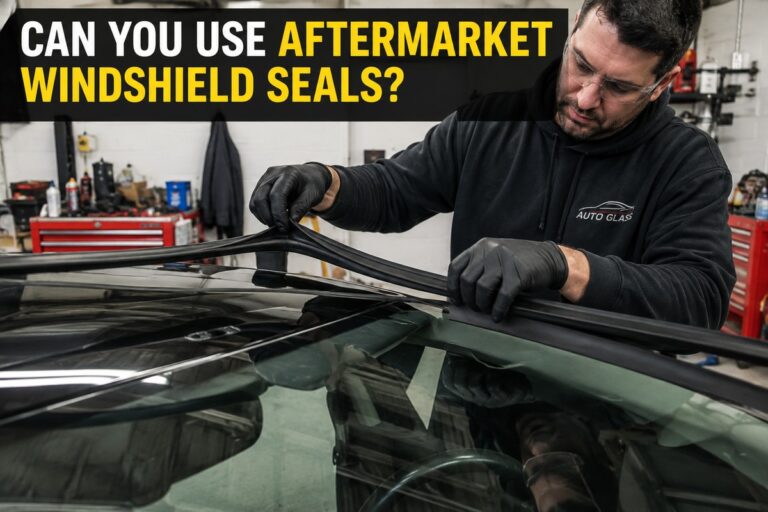
Can you use aftermarket windshield seals when replacing or repairing auto glass? In many cases, yes, but the quality, fit, material, and compatibility of the seal are critical. A properly selected aftermarket windshield seal can provide reliable protection around the glass, while a poorly fitting product may contribute to water leaks, wind noise, loose trim, or other installation problems.
Windshield seals and related molding components need to match the vehicle and the windshield installation method. Choosing between aftermarket windshield seals and OEM components should therefore be based on more than price. Vehicle specifications, product quality, installation requirements, and the condition of surrounding components all need to be considered.
Are Aftermarket Windshield Seals Safe to Use?
Quality aftermarket windshield seals can be suitable when they are designed specifically for the vehicle and installed correctly. Aftermarket does not automatically mean low quality. Manufacturers produce replacement seals, moldings, and weatherstripping in a wide range of materials and specifications.
The key is selecting a replacement component that closely matches the dimensions and installation requirements of the original part. A seal that is slightly too thick, thin, rigid, or loose may not sit correctly around the windshield.
Professional installation also makes a significant difference. Even a high-quality windshield seal can perform poorly if the glass, molding, adhesive, or surrounding surfaces are not prepared and installed correctly.
Aftermarket Windshield Seals vs. OEM Seals
OEM windshield seals are manufactured according to specifications associated with the original vehicle design. Aftermarket windshield seals are produced by third-party manufacturers as replacements for those original components.
Both options can work, but there are important differences to consider.
Fit and Vehicle Compatibility
OEM components are generally designed for a specific vehicle application. With aftermarket seals, fit can vary between manufacturers and product lines.
A quality aftermarket windshield seal should closely follow the original dimensions and contours. This is particularly important around corners, rooflines, and areas where exterior molding needs to sit flush against the glass and body.
Before using an aftermarket seal, installers should verify compatibility with the vehicle’s:
- Year, make, and model
- Windshield design
- Body style
- Glass dimensions
- Existing molding or trim
- Windshield installation system
Matching the part correctly helps reduce the risk of gaps, loose sections, or improper positioning.
Material Quality
The material used in an aftermarket windshield seal can affect flexibility, durability, and resistance to environmental exposure.
Automotive seals are regularly exposed to sunlight, rain, temperature changes, road debris, car washes, and cleaning products. Lower-quality materials may become brittle, shrink, crack, fade, or lose flexibility sooner than expected.
Higher-quality aftermarket windshield seals are generally manufactured to withstand normal automotive conditions for an extended period.
Cost
One reason vehicle owners consider aftermarket windshield seals is cost. Aftermarket replacement components can sometimes be less expensive than OEM parts while still providing an appropriate fit.
However, the lowest-priced option is not necessarily the best value. If an inexpensive seal does not fit correctly or deteriorates quickly, replacing it again can increase the total cost of the windshield service.
When Can an Aftermarket Windshield Seal Be a Good Choice?
An aftermarket windshield seal can be a practical option when a reputable replacement is available for the specific vehicle.
This is especially useful when an OEM component is difficult to obtain, has a long lead time, or is significantly more expensive. Certain older vehicles may also have limited availability of original windshield moldings and seals, making aftermarket parts an important replacement option.
An aftermarket seal may be appropriate when:
- The replacement is specifically listed for the vehicle
- The dimensions match the original component
- The material is suitable for automotive use
- The seal fits properly around the windshield
- The installer has confirmed compatibility
- The product comes from a reputable manufacturer or supplier
The goal should always be proper fit and dependable performance rather than simply choosing between an OEM or aftermarket label.
When Should You Avoid an Aftermarket Windshield Seal?
Not every aftermarket seal is suitable for every windshield replacement. A product should not be used simply because it looks similar to the original component.
Avoid using a replacement windshield seal when the part is clearly too loose, too tight, poorly shaped, or made from questionable material. Forcing an incompatible seal into place can result in an uneven appearance and may create problems around the windshield.
It is also important to be cautious with universal windshield seals. While universal products may work for certain applications, vehicle-specific components are often preferable when the design requires precise contours or molding placement.
If a replacement part cannot reproduce the necessary fit, an OEM seal or another vehicle-specific option may be the better choice.
Can Aftermarket Windshield Seals Cause Leaks?
An aftermarket windshield seal does not automatically cause a windshield leak. Leaks are more commonly associated with improper installation, incorrect materials, damaged surfaces, or gaps in the windshield bonding system.
However, a poorly fitting aftermarket seal can contribute to problems around the windshield. If molding or weatherstripping does not sit correctly, water may collect in areas where it normally would be directed away.
Possible warning signs include:
- Water entering the cabin after rain
- Dampness around the dashboard or headliner
- Moisture near the A-pillars
- Excessive wind noise
- Visible gaps around windshield molding
- Loose or lifting trim
A leaking windshield should be inspected rather than assuming the exterior seal is the only cause. Modern windshield installations often depend heavily on automotive urethane bonding, so the source of a leak may be underneath the visible molding.
Windshield Seals and Windshield Adhesive Are Not the Same Thing
One important consideration when discussing aftermarket windshield seals is the difference between exterior sealing components and the adhesive system securing the windshield.
On many modern vehicles, the windshield is bonded to the vehicle using automotive urethane adhesive. Exterior molding may cover the edge of the glass, improve appearance, help manage water, or protect the surrounding area, but it is not necessarily the component responsible for holding the windshield in place.
This distinction is important when diagnosing windshield leaks or replacing damaged molding.
Applying additional sealant around an exterior windshield molding is not always the correct repair for a leak. The windshield installation itself may need to be inspected to determine where water is entering.
How Fit Affects Aftermarket Windshield Seal Performance
Fit is one of the most important factors when choosing an aftermarket windshield seal.
A seal should follow the windshield perimeter without excessive stretching, bunching, lifting, or gaps. Corners are particularly important because incorrectly sized replacement seals may pull away or fail to sit evenly.
A Seal That Is Too Loose
A loose windshield seal or molding may lift away from the glass or vehicle body. It can create visible gaps and may produce noise at highway speeds.
Loose trim can also become more vulnerable to damage from automatic car washes, road debris, and normal vehicle use.
A Seal That Is Too Tight
A replacement seal that is too tight may be difficult to position correctly. Excessive stretching can cause the material to pull away from corners or change shape over time.
The component should fit naturally according to the vehicle’s windshield design rather than requiring excessive force to stay in position.
Incorrect Seal Thickness
Thickness can also affect installation. A replacement component that is significantly different from the original may prevent molding from sitting flush with the windshield or body.
Checking the replacement against the original part, when possible, can help identify significant differences before installation.
Should Windshield Seals Be Replaced With the Windshield?
Whether a windshield seal or molding should be replaced during windshield replacement depends on the vehicle and the condition of the existing components.
Some windshield moldings can be reused if they remain flexible and undamaged. Others may be designed for one-time use or can become damaged during windshield removal.
Replacement may be appropriate if the existing seal or molding is:
- Cracked or split
- Brittle from age or sun exposure
- Stretched or distorted
- Missing sections
- No longer sitting flush
- Damaged during glass removal
- Unable to provide the proper fit with the replacement windshield
Replacing deteriorated windshield molding while the glass is already being serviced can help produce a cleaner and more dependable installation.
Can You Reuse an Existing Windshield Seal?
In certain applications, an existing windshield seal can be reused if it remains in good condition and the vehicle’s installation design allows it.
The seal should be inspected for hardening, cracking, shrinking, stretching, and other signs of deterioration. Older rubber components can look acceptable while becoming too rigid to reinstall correctly.
If reuse would compromise fit, replacing the component with a quality OEM or aftermarket windshield seal is usually the more practical approach.
Aftermarket Windshield Seals for Older Vehicles
Aftermarket windshield seals can be particularly valuable for older cars, trucks, classic vehicles, and discontinued models.
OEM rubber seals and windshield moldings may become difficult to find as vehicles age. Aftermarket manufacturers can provide replacement components that allow windshield work to be completed without locating discontinued original parts.
Older vehicles can also use windshield mounting systems that differ considerably from those found on newer vehicles. Some applications rely more heavily on rubber gaskets, while many modern vehicles use bonded glass with urethane adhesive.
Because of these differences, the replacement seal should match the specific windshield installation design rather than being selected based only on the vehicle’s age.
What to Look for in an Aftermarket Windshield Seal
Choosing a good aftermarket windshield seal requires more than finding a product that appears to have the correct shape.
Look for a replacement that is designed for the exact vehicle application and made from durable automotive-grade material. The product should remain flexible enough to conform to the windshield while resisting deterioration from weather and temperature changes.
Other factors worth checking include:
- Vehicle-specific fitment information
- Manufacturer or supplier reputation
- Correct dimensions and profile
- Compatibility with existing trim
- Material flexibility
- Resistance to UV exposure and weather
- Installation requirements
When possible, comparing the replacement component with the original seal or molding can also help confirm that the profiles are similar.
Why Professional Windshield Installation Matters
The performance of an aftermarket windshield seal depends heavily on the quality of the installation.
Windshield replacement involves more than positioning glass and installing molding. The technician may need to remove existing urethane, prepare bonding surfaces, apply new automotive adhesive, position the windshield correctly, and reinstall or replace surrounding components.
Incorrect windshield installation can result in water leaks, wind noise, visible gaps, and poor molding fit regardless of whether OEM or aftermarket components are used.
A professional auto glass technician can also determine whether a vehicle actually requires a new windshield seal, molding, gasket, or another component. This helps prevent unnecessary parts replacement and ensures the correct materials are used.
Common Signs a Windshield Seal or Molding Needs Attention
Problems around windshield molding should be inspected before they become more severe.
Signs that may indicate a damaged or improperly fitted windshield seal include visible cracking, separation from the glass, loose corners, unusual wind noise, or water appearing around the windshield after rain.
Do not assume that every visible gap means the windshield itself is unsafe or leaking. Likewise, a windshield can have an installation-related leak even when the exterior molding looks normal.
An auto glass inspection can help determine whether the issue involves the seal, molding, windshield adhesive, glass placement, or surrounding body surface.
Choosing the Right Windshield Seal for Your Vehicle
Aftermarket windshield seals can be used successfully when the replacement part is well-made, compatible with the vehicle, and installed correctly. A quality aftermarket component may offer a practical alternative to an OEM windshield seal, particularly when original parts are expensive or difficult to source.
The most important considerations are fit, material quality, vehicle compatibility, and installation. Avoid choosing a windshield seal based on price alone, and be cautious with components that require excessive stretching, leave visible gaps, or do not match the original profile.
If you are replacing a windshield or dealing with damaged windshield molding, water leaks, wind noise, or deteriorated seals, having the vehicle inspected by an experienced auto glass technician can help identify the correct repair. SLP Auto Glass can evaluate the windshield and surrounding components and determine whether an aftermarket windshield seal, OEM component, or another repair approach is appropriate for the vehicle.
Content reviewed and published by SLP AutoGlass Editorial Team.