
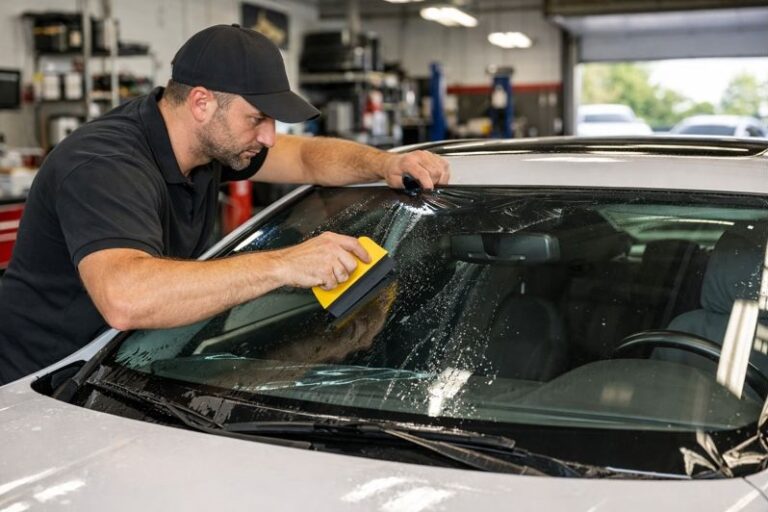
Can you tint a windshield after it’s replaced is a common question among drivers who want privacy, heat reduction, or UV protection after getting new auto glass installed. The short answer is yes, you can tint a windshield after replacement, but timing, materials, and installation quality all matter. Understanding how windshield tinting works after replacement helps you avoid damage, ensure legal compliance, and get the performance benefits you expect.
Tinting a Newly Replaced Windshield
After a windshield replacement, the glass is essentially a clean slate. This makes it an ideal surface for window tint film, provided the installation is done correctly and at the right time. Modern replacement windshields are compatible with most types of automotive window tint.
However, a new windshield needs time to fully cure before any tint is applied. The adhesive used during replacement must set properly to ensure the glass is secure and sealed.
How Long to Wait Before Tinting
Waiting before tinting is critical for long-term results.
Most installers recommend waiting at least 24 to 48 hours after windshield replacement before applying tint. In some cases, waiting up to a week is safer, especially in colder or humid conditions.
Reasons for waiting include:
- Allowing the windshield adhesive to fully cure
- Preventing movement or pressure on the glass
- Reducing the risk of air bubbles or peeling tint
- Avoiding seal damage around the edges
Driving the vehicle during this period is usually fine, but slamming doors or exposing the car to extreme temperatures should be avoided.
Types of Windshield Tint Suitable After Replacement
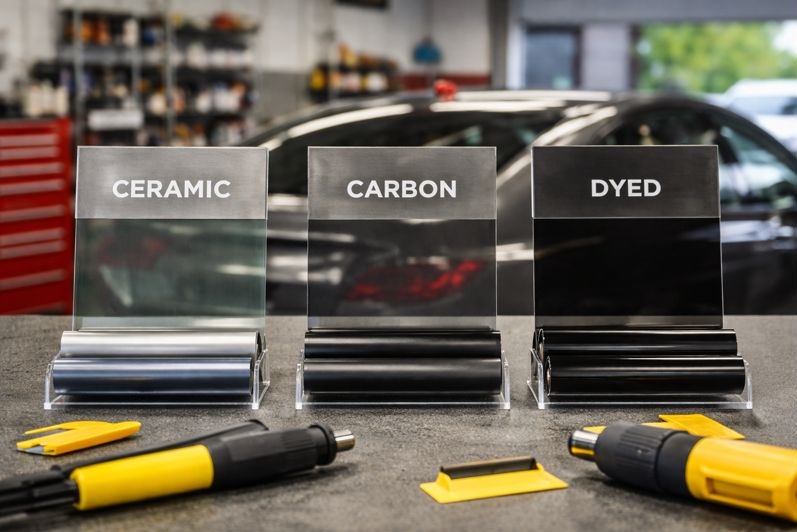
Not all windshield tint is the same. Choosing the right type makes a big difference in visibility, heat rejection, and legality.
Ceramic Windshield Tint
Ceramic tint is one of the most popular options for newly replaced windshields.
Benefits include:
- High heat rejection without darkening the glass
- Excellent UV protection
- No interference with GPS, radio, or ADAS systems
- Clear appearance that maintains visibility
Ceramic tint is ideal if you want performance without compromising safety or compliance.
Carbon and Dyed Window Tint
Carbon and dyed films are more affordable but come with limitations.
Potential drawbacks:
- Lower heat rejection
- Higher chance of fading over time
- Less clarity compared to ceramic options
These films can still be used on a replacement windshield but are less common for front glass due to visibility concerns.
Factory Tinted vs Aftermarket Tint
Some windshields come with a factory tint or sun strip built into the glass. This does not replace aftermarket tint and typically offers minimal heat protection.
Aftermarket windshield tint provides:
- Enhanced UV and infrared blocking
- Custom shade selection
- Better interior temperature control
Factory tint and aftermarket film can be combined if local laws allow it.
Legal Considerations for Windshield Tinting
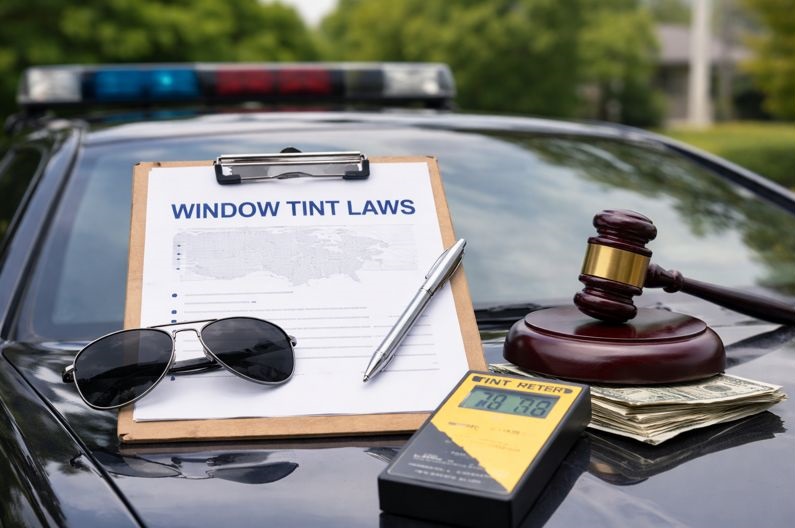
Windshield tint laws vary by state and are strictly enforced. Before tinting a replacement windshield, it is important to understand local regulations.
Most states allow:
- A clear or lightly tinted film on the windshield
- A sun strip across the top portion of the glass
- Tint that meets specific visible light transmission limits
Common restrictions include:
- No dark tint below the AS1 line
- Minimum light transmission requirements
- Medical exemptions in some cases
Installing illegal windshield tint can lead to fines, inspection failure, or required removal. Reputable tint shops will help you choose a compliant option.
Impact on Advanced Driver Assistance Systems
Many modern vehicles have cameras and sensors mounted behind the windshield. These systems support features like lane departure warning, adaptive cruise control, and automatic emergency braking.
Tinting a windshield after replacement must be done carefully to avoid interfering with these systems.
Key points to consider:
- High quality ceramic tint does not block sensors
- Poorly installed tint can distort camera visibility
- Some vehicles require recalibration after windshield replacement
Always inform your tint installer if your vehicle has ADAS features so they can apply the film correctly.
Benefits of Tinting a Windshield After Replacement
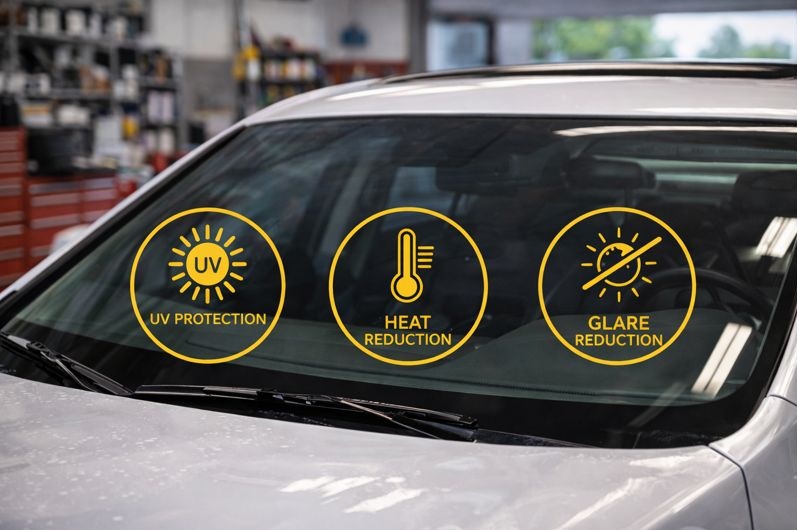
Tinting a new windshield offers several advantages beyond appearance.
Heat Reduction and Comfort
Windshield tint significantly reduces solar heat entering the vehicle. This keeps the cabin cooler and reduces reliance on air conditioning.
Benefits include:
- More comfortable driving experience
- Less strain on the AC system
- Improved fuel efficiency over time
UV Protection and Interior Preservation
Untinted glass allows harmful UV rays to enter the vehicle. Over time, this can damage upholstery, dashboards, and electronics.
Quality windshield tint blocks up to 99 percent of UV radiation, helping:
- Prevent fading and cracking of interior surfaces
- Protect skin and eyes from UV exposure
- Extend the life of interior materials
Glare Reduction and Visibility
Glare from sunlight and headlights can reduce visibility and increase eye strain. Windshield tint helps manage glare without making the glass too dark.
This results in:
- Better visibility during sunrise and sunset
- Reduced nighttime glare from headlights
- Safer driving conditions overall
Common Mistakes to Avoid When Tinting After Replacement
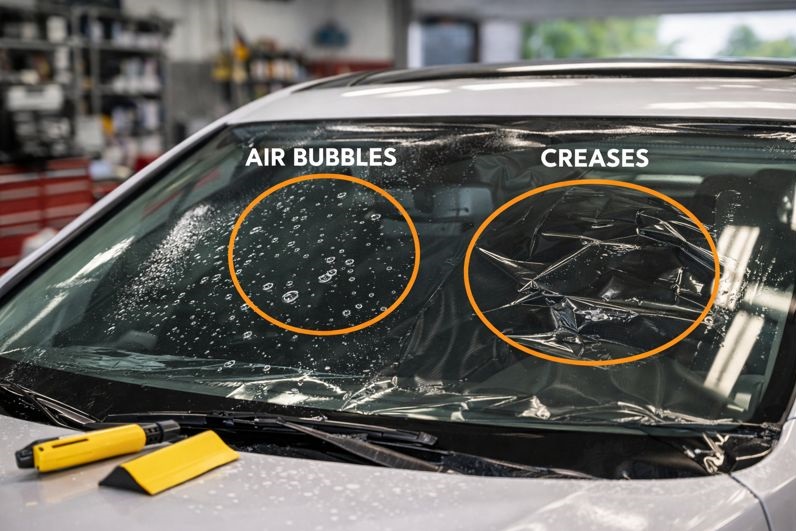
Tinting a windshield after replacement is straightforward, but mistakes can lead to poor results or damage.
Avoid the following issues:
- Tinting too soon after replacement
- Choosing low quality film to save money
- Hiring inexperienced installers
- Ignoring local tint laws
- Failing to consider ADAS compatibility
Taking the time to choose the right materials and professionals ensures long lasting performance.
Professional Installation vs DIY Tinting
While DIY window tint kits are available, windshield tinting is one area where professional installation is strongly recommended.
Windshields are curved and require precise film shaping. Errors can lead to:
- Creases and bubbles
- Reduced visibility
- Premature peeling
- Legal compliance issues
Professional installers have the tools and experience needed to apply windshield tint cleanly and safely, especially on newly replaced glass.
Caring for a Tinted Windshield After Installation
Once your windshield tint is installed, proper care helps it last longer.
Follow these tips:
- Avoid cleaning the inside of the windshield for several days
- Use ammonia free cleaners
- Do not scrape or apply pressure to the film
- Park in shaded areas when possible during curing
Initial haze or small water pockets are normal and usually disappear within a few days.
Cost Expectations for Windshield Tint After Replacement
The cost of tinting a windshield after replacement depends on several factors.
These include:
- Type of tint film used
- Vehicle size and windshield shape
- Local labor rates
- Brand and warranty coverage
On average, windshield tinting costs range from moderate to premium, with ceramic films priced higher due to their performance and durability.
When Tinting Is Not Recommended Immediately
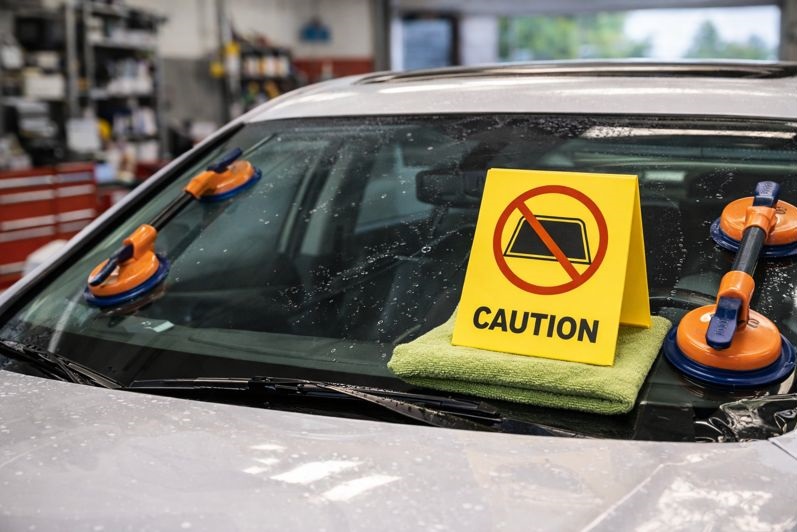
In rare cases, tinting may need to be delayed longer than usual.
Situations include:
- Extreme cold or humidity
- Improperly cured windshield adhesive
- Recent recalibration of sensors
- Visible seal or alignment issues
If you notice any problems with the new windshield, resolve them before applying tint.
Making the Most of a Newly Replaced Windshield
A windshield replacement is an investment in safety and visibility. Adding tint enhances that investment when done correctly. With the right waiting period, legal compliance, and professional installation, tinting a windshield after it’s replaced can improve comfort, protect your vehicle, and deliver long term value without compromising performance or safety.
Content reviewed and published by SLP AutoGlass Editorial Team.