
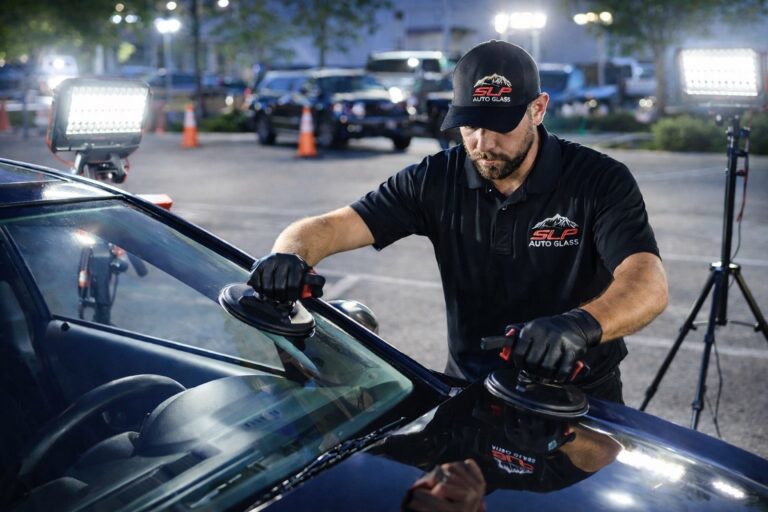
Mobile windshield replacement in low-light conditions requires specialized techniques, equipment, and safety protocols to ensure high-quality results and driver safety. When a windshield is damaged at night, during heavy storms, or in dimly lit parking areas, waiting for daylight is not always an option. Drivers often need immediate auto glass replacement to maintain visibility, comply with safety regulations, and protect their vehicle from further damage.
Low-light environments introduce unique challenges that demand experienced technicians, professional-grade lighting systems, and strict installation standards. Understanding how mobile windshield replacement works in these conditions helps vehicle owners make informed decisions when scheduling emergency auto glass service.
Challenges of Windshield Replacement in Low-Light Environments
Performing windshield replacement at night or in dimly lit areas requires more than just portable tools. Visibility affects every step of the process, from removing the damaged glass to ensuring a proper seal.
Limited Visibility During Glass Removal
Removing a cracked or shattered windshield requires precision. In low-light conditions, technicians must carefully:
- Identify hidden cracks and stress points
- Avoid damaging the pinch weld or surrounding frame
- Detect corrosion or contamination along the bonding surface
Professional mobile auto glass technicians use high-intensity LED lighting systems to illuminate the work area evenly. This prevents missed defects that could compromise the structural integrity of the new windshield installation.
Adhesive Application Accuracy
Windshield installation depends heavily on the correct application of urethane adhesive. In dim environments, improper bead placement can lead to:
- Air leaks
- Water intrusion
- Wind noise
- Structural weakness in the event of a collision
Mobile windshield replacement in low-light conditions requires enhanced lighting angles to verify adhesive thickness and consistency before setting the new glass in place.
Safety Protocols for Nighttime Mobile Windshield Replacement
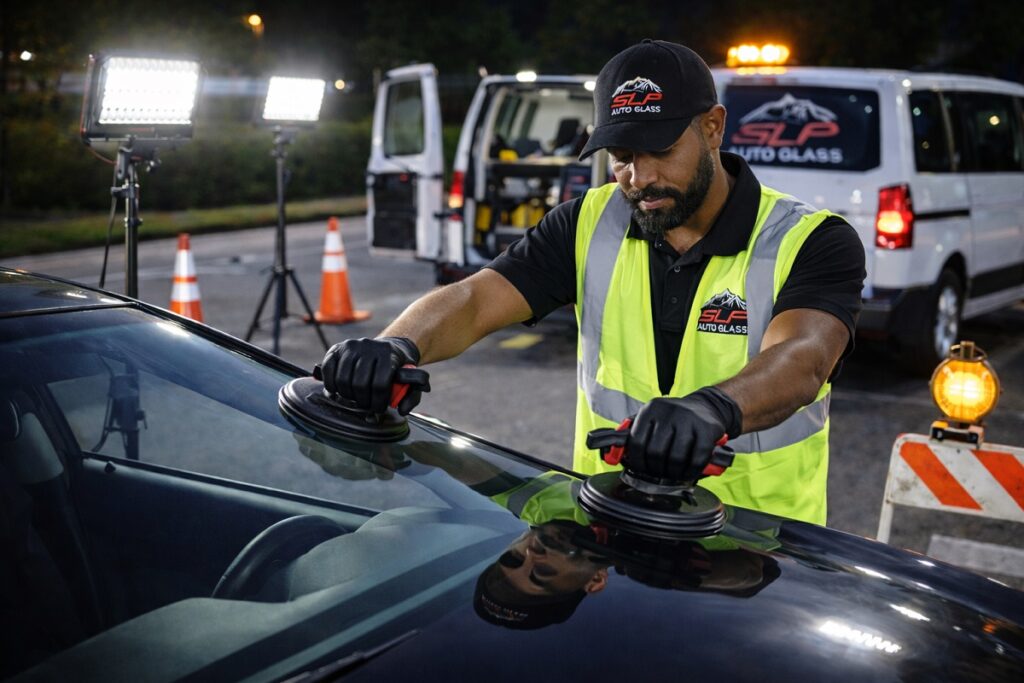
Safety becomes even more critical when replacing a windshield outside of normal daylight hours. Both the technician and the vehicle owner benefit from strict procedures.
Secure Work Area Setup
Technicians establish a controlled environment around the vehicle, which may include:
- Portable floodlights positioned to reduce glare
- Reflective safety cones for roadside repairs
- High-visibility apparel
- Stabilized ladders or platforms if needed
These measures reduce the risk of accidents and improve efficiency.
Weather and Environmental Considerations
Low-light conditions often coincide with poor weather such as rain or fog. Professional auto glass repair teams monitor:
- Ambient temperature for proper urethane curing
- Humidity levels that may affect bonding
- Wind conditions that could introduce debris
Mobile windshield replacement technicians may use protective coverings or temporary shelters to maintain optimal installation conditions.
Equipment Used for Mobile Windshield Replacement in Low-Light Conditions
Successful auto glass replacement at night depends on specialized equipment designed for precision and clarity.
High-Output LED Work Lights
Modern mobile auto glass units are equipped with adjustable LED systems that:
- Mimic daylight color temperature
- Reduce shadow formation
- Minimize glare on reflective surfaces
- Provide focused illumination around the bonding area
Proper lighting ensures technicians can inspect every edge of the windshield frame before installation.
Advanced Glass Handling Tools
Handling a new windshield in the dark requires secure grip systems such as:
- Vacuum suction cups with locking mechanisms
- Alignment guides for accurate placement
- Digital calibration tools for Advanced Driver Assistance Systems
These tools help prevent misalignment during installation, which is especially important when replacing windshields with built-in sensors and cameras.
ADAS Calibration in Low-Light Conditions
Many modern vehicles rely on windshield-mounted cameras for lane departure warnings, automatic emergency braking, and adaptive cruise control. Mobile windshield replacement in low-light conditions must account for these systems.
After installation, recalibration ensures that:
- Forward-facing cameras function properly
- Lane assist systems detect road markings accurately
- Collision avoidance systems operate within manufacturer specifications
Some vehicles require static calibration in controlled lighting environments. In these cases, mobile technicians may schedule calibration at a service facility if nighttime conditions prevent accurate on-site adjustment.
Ensuring Proper Adhesive Cure Time at Night
Safe drive-away time is critical after windshield replacement. Urethane adhesive requires specific curing conditions to achieve full strength.
Technicians evaluate:
- Temperature at the installation site
- Manufacturer recommended cure time
- Humidity impact on bonding
In colder nighttime conditions, extended cure times may be necessary. Reputable mobile windshield replacement services provide clear guidance on when the vehicle is safe to drive.
Quality Control Measures in Low-Light Installations
Even with proper lighting, technicians follow additional inspection steps to maintain high standards.
Post-Installation Inspection Checklist
- Verify even glass alignment
- Inspect interior and exterior seals
- Test for light gaps around edges
- Confirm wiper clearance
- Ensure trim components are securely reinstalled
Thorough inspection reduces the likelihood of leaks or wind noise issues later.
Benefits of Choosing Professional Mobile Windshield Replacement at Night
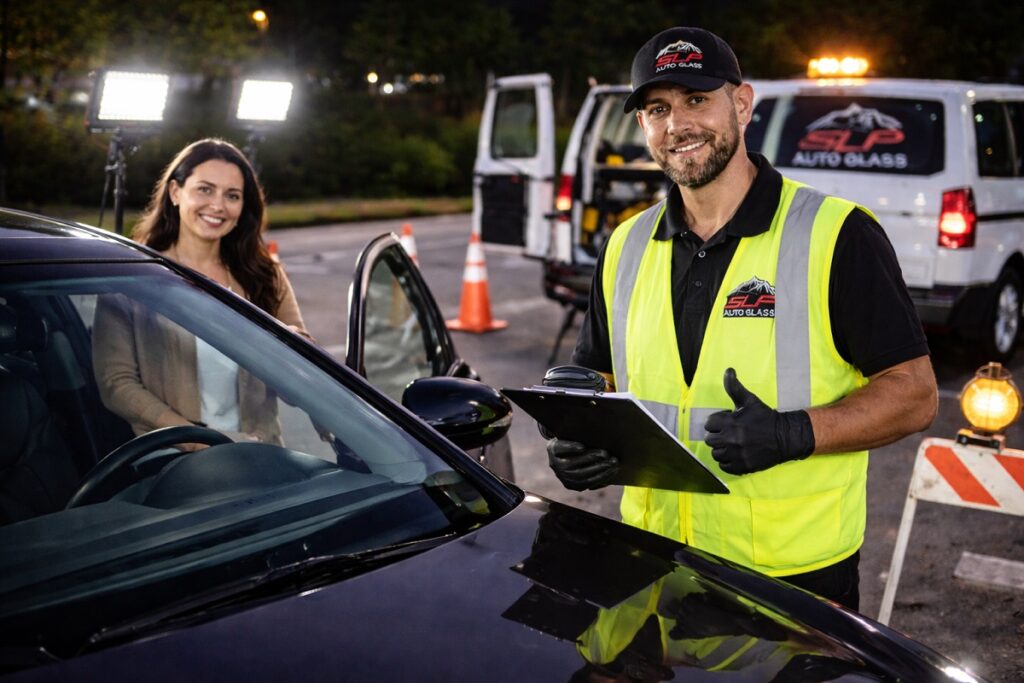
Attempting DIY windshield replacement in low-light conditions significantly increases the risk of improper installation. Professional mobile auto glass services offer key advantages.
Immediate Response
Emergency windshield replacement services help drivers avoid:
- Driving with obstructed visibility
- Exposure to weather damage
- Increased risk of traffic citations
Proper Tools and Training
Certified technicians are trained to perform auto glass replacement safely in all lighting conditions. Their experience ensures the structural integrity of the windshield remains intact.
Convenience and Reduced Downtime
Mobile windshield replacement eliminates the need to drive to a shop with compromised visibility. Service can be completed:
- At home
- At work
- On the roadside
- In secure parking areas
This level of convenience is particularly valuable for commercial vehicle operators and fleet managers.
When to Schedule Mobile Windshield Replacement in Low-Light Conditions
There are specific scenarios where nighttime or low-light auto glass service may be necessary.
- Sudden rock chip that spreads rapidly
- Vandalism resulting in shattered glass
- Storm-related debris damage
- Travel schedules that prevent daytime appointments
Delaying replacement can allow moisture, dirt, and debris to compromise the vehicle frame. Prompt service prevents further structural damage.
Preparing Your Vehicle for Nighttime Windshield Replacement
Vehicle owners can take simple steps to assist the technician and ensure smooth service.
Choose a Well-Lit Location When Possible
While technicians bring professional lighting, selecting an area with minimal obstructions helps improve efficiency.
Clear Interior and Exterior Areas
- Remove dashboard items
- Clear front seats
- Ensure access to hood and side panels
- Secure pets and children away from the work area
Providing space allows technicians to focus on precision installation.
Common Concerns About Windshield Replacement at Night
Many drivers question whether replacing a windshield in low-light conditions compromises quality. When performed by trained professionals using proper lighting systems, nighttime auto glass replacement meets the same standards as daytime service.
Concerns typically revolve around:
- Adhesive curing
- Glass alignment
- Sensor calibration
- Weather interference
Professional mobile windshield replacement companies follow manufacturer guidelines regardless of time of day.
Cost Factors for Mobile Windshield Replacement in Low-Light Conditions
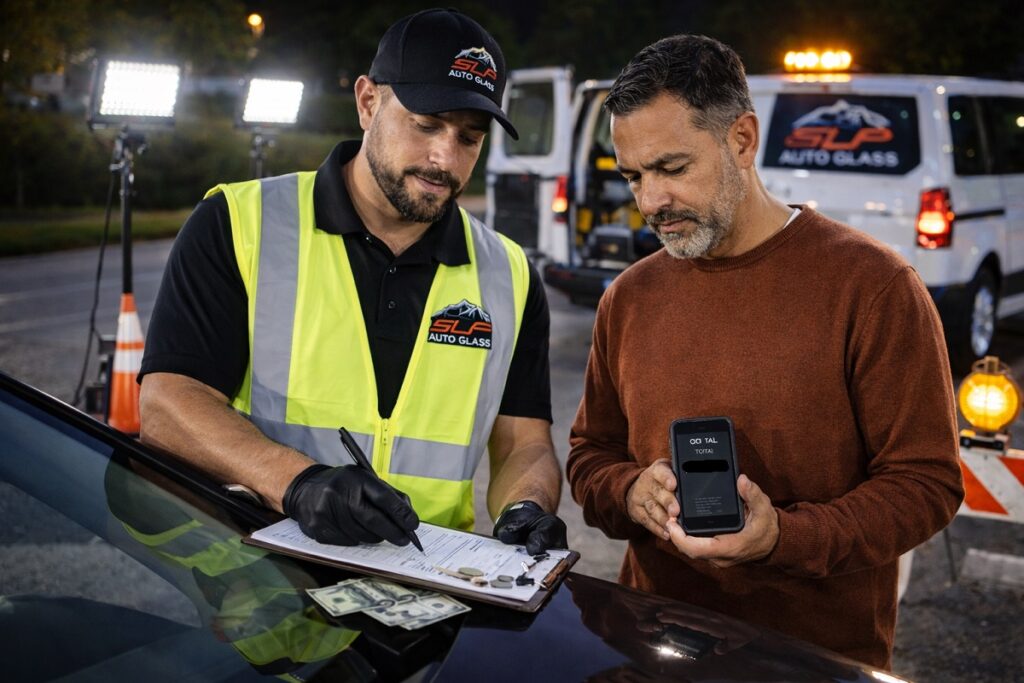
Pricing for mobile auto glass replacement may vary depending on:
- Vehicle make and model
- Type of windshield and built-in technology
- Emergency service timing
- Location accessibility
Some providers may include after-hours service fees. It is advisable to request a detailed quote that outlines labor, materials, calibration, and any additional charges.
Insurance coverage often applies to comprehensive auto glass claims, reducing out-of-pocket expenses for drivers.
Selecting a Reliable Mobile Auto Glass Service
Choosing the right provider ensures that mobile windshield replacement in low-light conditions is completed safely and effectively.
Look for:
- Certified auto glass technicians
- Warranty on workmanship
- OEM or high-quality aftermarket glass
- Proper insurance and licensing
- Positive customer reviews
Reputable companies prioritize safety, precision, and compliance with industry standards.
Mobile windshield replacement in low-light conditions demands professional expertise, proper lighting equipment, and strict installation protocols. When performed correctly, nighttime auto glass replacement delivers the same durability, clarity, and structural performance as daytime service. Drivers who need emergency windshield replacement can rely on qualified mobile technicians to restore visibility and safety without delay.
Content reviewed and published by SLP AutoGlass Editorial Team.