
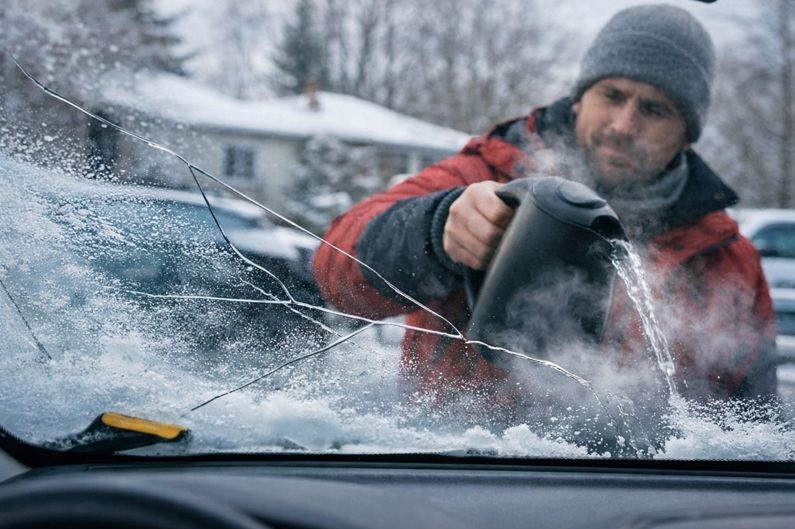
Can cold weather crack a new windshield? Yes, cold temperatures can damage even a brand-new windshield under the right conditions, especially when temperature changes, road conditions, and hidden stress factors come into play. Many drivers assume a new windshield is immune to winter problems, but cold weather creates unique stresses that can lead to cracks without warning.
Winter places constant pressure on auto glass. Understanding how and why cold weather affects a new windshield helps prevent sudden damage and costly repairs.
How Cold Temperatures Affect Windshield Glass
Glass reacts to temperature changes more than many people realize. When temperatures drop, glass contracts. If that contraction is uneven or combined with existing stress, cracks can form.
Cold weather alone does not always cause a windshield to crack, but it significantly increases the risk when other factors are present.
Thermal Stress in Cold Weather
Thermal stress is one of the main reasons cold weather can crack a new windshield.
- Glass contracts as temperatures fall
- Uneven cooling creates internal tension
- Areas near the edges cool faster than the center
- Any existing weakness can spread quickly
When cold air hits the windshield while the interior remains warm, the temperature difference can strain the glass beyond its limits.
Sudden Temperature Changes and Windshield Damage
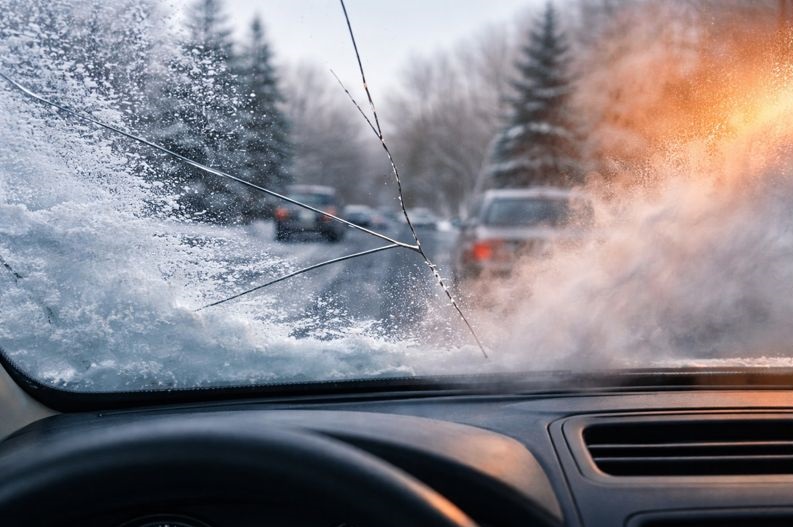
Rapid temperature shifts are more dangerous than steady cold.
Cold Air Outside and Heat Inside
Turning on the defroster or heater when it is freezing outside can trigger cracks.
- Warm air expands the inside of the glass
- Cold air keeps the outside contracted
- The glass experiences opposing forces
This temperature imbalance is a common cause of windshield stress cracks during winter mornings.
Pouring Hot Water on a Frozen Windshield
Using hot water to melt ice is one of the fastest ways to crack a windshield.
- Hot water heats the glass too quickly
- Frozen areas resist expansion
- Stress fractures form almost instantly
Even a new windshield can crack this way, regardless of installation quality.
Why a New Windshield Is Not Immune to Cracks
Many drivers assume a new windshield is stronger, but new glass can still crack under cold conditions.
Manufacturing and Installation Stress
During manufacturing and installation, glass may develop minor internal stress that is not visible.
- Pressure during fitting
- Slight frame misalignment
- Uneven adhesive curing
Cold weather amplifies these stresses, turning small imperfections into visible cracks.
Edge Vulnerability in Winter
The edges of a windshield are the weakest points.
- Glass is thinner near the edges
- Cold temperatures affect edges faster
- Frame pressure concentrates stress
Cracks often start near the edges and spread across the windshield during cold weather.
Small Chips Become Big Cracks in Cold Weather
A tiny chip may seem harmless in warm weather, but winter changes everything.
Expansion and Contraction Cycles
Cold nights and warmer daytime temperatures cause repeated expansion and contraction.
- Chips widen as glass contracts
- Moisture freezes inside chips
- Ice expands and forces the crack to grow
This freeze-thaw cycle is one of the biggest reasons cold weather cracks windshields, including new ones.
Road Vibrations and Winter Driving
Winter roads add more stress to the glass.
- Potholes hidden by snow
- Rough road surfaces
- Increased vibration from uneven pavement
Each vibration sends shockwaves through the windshield, pushing existing damage to spread faster.
Windshield Stress Cracks Caused by Cold Weather
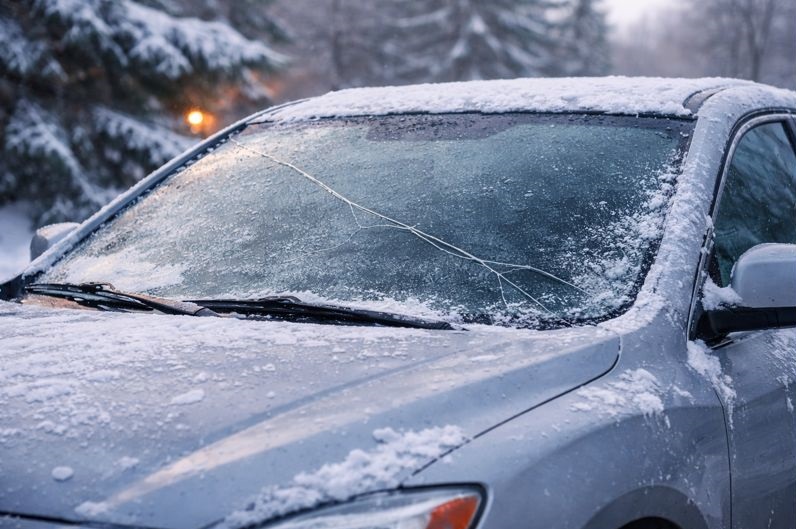
Stress cracks are common during winter and often appear without impact.
What Makes Stress Cracks Appear
Stress cracks form due to pressure rather than direct hits.
Common triggers include:
- Extreme cold temperatures
- Rapid heating from defrosters
- Body frame flexing in cold conditions
These cracks usually start at the edge and move inward in a curved or straight line.
Why Stress Cracks Spread Quickly in Winter
Cold weather makes glass less flexible.
- Brittle glass absorbs less energy
- Cracks encounter less resistance
- Spreading happens faster than in warm weather
Once a stress crack begins, cold conditions can cause it to grow overnight.
Does Cold Weather Make Windshields More Brittle?
Glass becomes more rigid in low temperatures. This reduced flexibility makes it harder for the windshield to absorb stress.
Brittleness and Impact Sensitivity
Cold windshields are more likely to crack from minor impacts.
- Small stones kicked up by tires
- Ice chunks falling from vehicles
- Debris on winter roads
An impact that would cause a chip in summer may cause a full crack in winter.
Structural Pressure from the Vehicle Frame
As temperatures drop, vehicle frames can contract slightly.
- Metal contracts in cold weather
- Pressure shifts toward the glass
- Windshield absorbs the stress
This added pressure can contribute to cracking even without visible damage.
How Winter Weather Conditions Increase Crack Risk
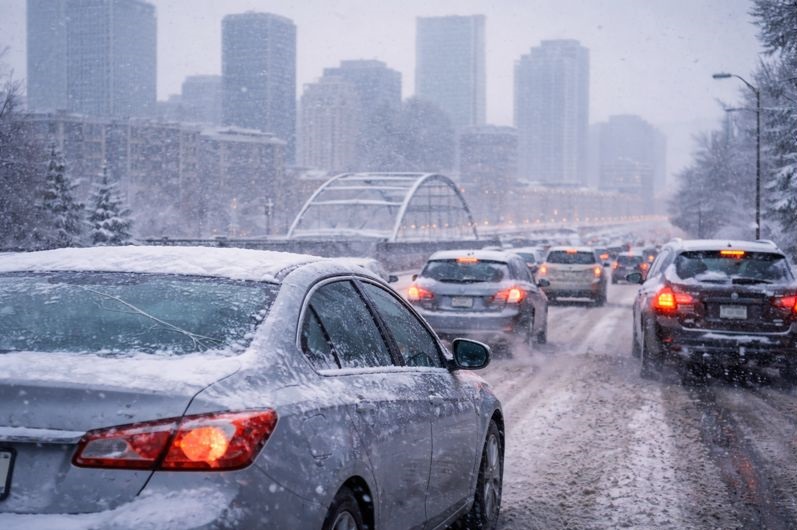
Cold weather often comes with other conditions that threaten windshields.
Snow and Ice Buildup
Heavy snow and ice add weight and pressure.
- Ice expands in small gaps
- Snow pushes against windshield edges
- Scraping creates micro-damage
Improper snow removal increases the chance of cracks forming later.
Wind Chill and Driving Speed
Driving at highway speeds in freezing temperatures exposes the windshield to intense wind chill.
- Rapid cooling while driving
- Uneven temperature across the glass
- Increased stress during long drives
This effect is especially noticeable during long winter road trips.
Signs Cold Weather Is Damaging Your Windshield
Recognizing early warning signs can prevent full cracks.
Subtle Changes to Watch For
- Thin lines near the edges
- Chips that appear slightly larger
- Popping or cracking sounds after heating
These signs indicate the glass is under stress and may crack soon.
Morning Cracks After Cold Nights
Many drivers discover windshield cracks first thing in the morning.
- Overnight temperature drops
- Ice formation inside chips
- Expansion when the heater is turned on
Cold nights combined with morning defrosting create ideal conditions for cracking.
How to Reduce the Risk of Cold Weather Cracks
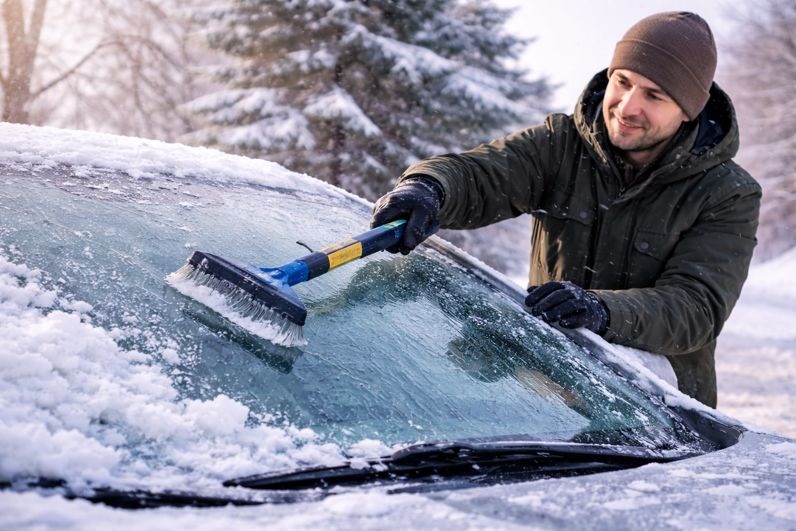
While cold weather cannot be controlled, damage risk can be reduced.
Smart Winter Habits for Windshield Protection
- Warm up the vehicle gradually
- Use defrosters on low settings at first
- Avoid sudden temperature changes
- Park in a garage or sheltered area when possible
These steps help minimize thermal stress on the glass.
Proper Ice and Snow Removal
Use the right tools and techniques.
- Plastic ice scrapers instead of metal
- Gentle pressure when removing ice
- Avoid striking the glass
Proper removal prevents surface damage that can spread in cold weather.
When Cold Weather Damage Requires Immediate Attention
Some windshield damage should not be ignored during winter.
Cracks That Compromise Safety
- Cracks longer than a few inches
- Cracks spreading toward the driver’s view
- Edge cracks growing rapidly
Cold weather can cause these cracks to expand quickly, reducing visibility and structural support.
Delaying Repairs Makes Winter Damage Worse
Cold temperatures slow repair processes and allow cracks to spread.
- Chips turn into full cracks
- Repairs become more expensive
- Replacement becomes more likely
Addressing damage early is especially important during winter months.
Why Winter Windshield Care Matters for Long-Term Durability
Cold weather damage can shorten the lifespan of a windshield.
Repeated stress weakens the glass over time, even if cracks do not appear immediately. A new windshield that survives one winter without proper care may still develop problems later due to accumulated stress.
Taking winter precautions helps preserve clarity, strength, and safety while reducing the chances that cold weather will crack a new windshield.
Cold temperatures, rapid heating, road conditions, and hidden stress factors all contribute to windshield cracking in winter. Understanding how cold weather affects auto glass allows drivers to protect their windshields and avoid sudden damage during the coldest months of the year.
Content reviewed and published by SLP AutoGlass Editorial Team.